Across Australia, organisations are facing the same challenge: how to store growing volumes of documents, equipment, and records without expanding floor space. One widely adopted solution is compactus shelving, a mobile storage system designed to maximise capacity in limited areas.
Instead of fixed aisles between every row of shelves, compactus storage systems allow shelving units to move on tracks, opening only one aisle at a time. This dramatically increases storage density compared with traditional shelving layouts.
The demand for compactus shelving in Australia continues to grow in offices, government archives, libraries, hospitals, schools, and warehouses where efficient space management and organised storage are essential for daily operations.
What Is Compactus Shelving?
Compactus shelving refers to a mobile storage system where shelving units are mounted on movable bases that run along floor tracks. Instead of multiple fixed aisles, the shelves slide sideways to create a single access aisle only when needed.
This design allows organisations to store significantly more materials within the same floor area. As a result, compactus shelving is widely used for document archives, medical records, library collections, and equipment storage where space efficiency is critical.
According to archival storage guidance from the National Archives of Australia, high-density shelving systems are commonly used to maximise space while maintaining organised access to records.
How Compactus Shelving Systems Work
A compactus shelving system uses several integrated mechanical components to enable entire shelving rows to move smoothly.
The core components include:
- Mobile carriages: the base structures that hold the shelving frames
- Floor tracks: rails installed in the floor to guide movement
- Shelving frames: adjustable shelves used for files, boxes, or equipment
In compactus mobile shelving, rows are mounted on these carriages so they can slide sideways along the tracks. Only the aisle being used is open, while other rows remain compacted together.
Systems can operate using different drive mechanisms:
- Manual operation using hand wheels
- Mechanical assist systems using geared drives
- Electric systems using powered motors and push-button controls
Archival storage guidance from the National Archives of Australia recommends high-density shelving solutions like mobile shelving to efficiently manage growing record collections.
Because of this efficiency, compactus shelving systems are widely used across Australian institutions responsible for long-term document preservation.
Types of Compactus Shelving Systems
Manual Compactus Shelving
Manual compactus shelving systems are operated using a hand wheel or crank. Turning the wheel moves the shelving carriage along the floor tracks, opening the desired aisle.
These systems are commonly installed in offices, legal firms, and archives where storage loads are moderate and frequent access is required. Manual systems are generally the most cost-effective option.
Mechanical Assist Compactus
Mechanical assist systems are designed for larger or heavier compactus storage installations.
Instead of relying purely on manual force, these systems use geared drive mechanisms that reduce the effort required to move the shelving rows. This makes them suitable for large document collections or storage rooms where shelving units carry significant weight.
Electric Mobile Compactus Shelving
Electric compactus mobile shelving systems use powered motors controlled by push-button panels or electronic interfaces.
These systems are often installed in hospitals, research facilities, and major archives where large volumes of records must be accessed quickly. Automated controls improve convenience and allow integration with advanced security or access management systems.
Static High-Density Shelving Systems
Some organisations install static high-density shelving systems that maximise vertical storage without mobile carriages. While these systems do not move like compactus shelving, they still increase storage density through taller shelving units and tighter layouts.
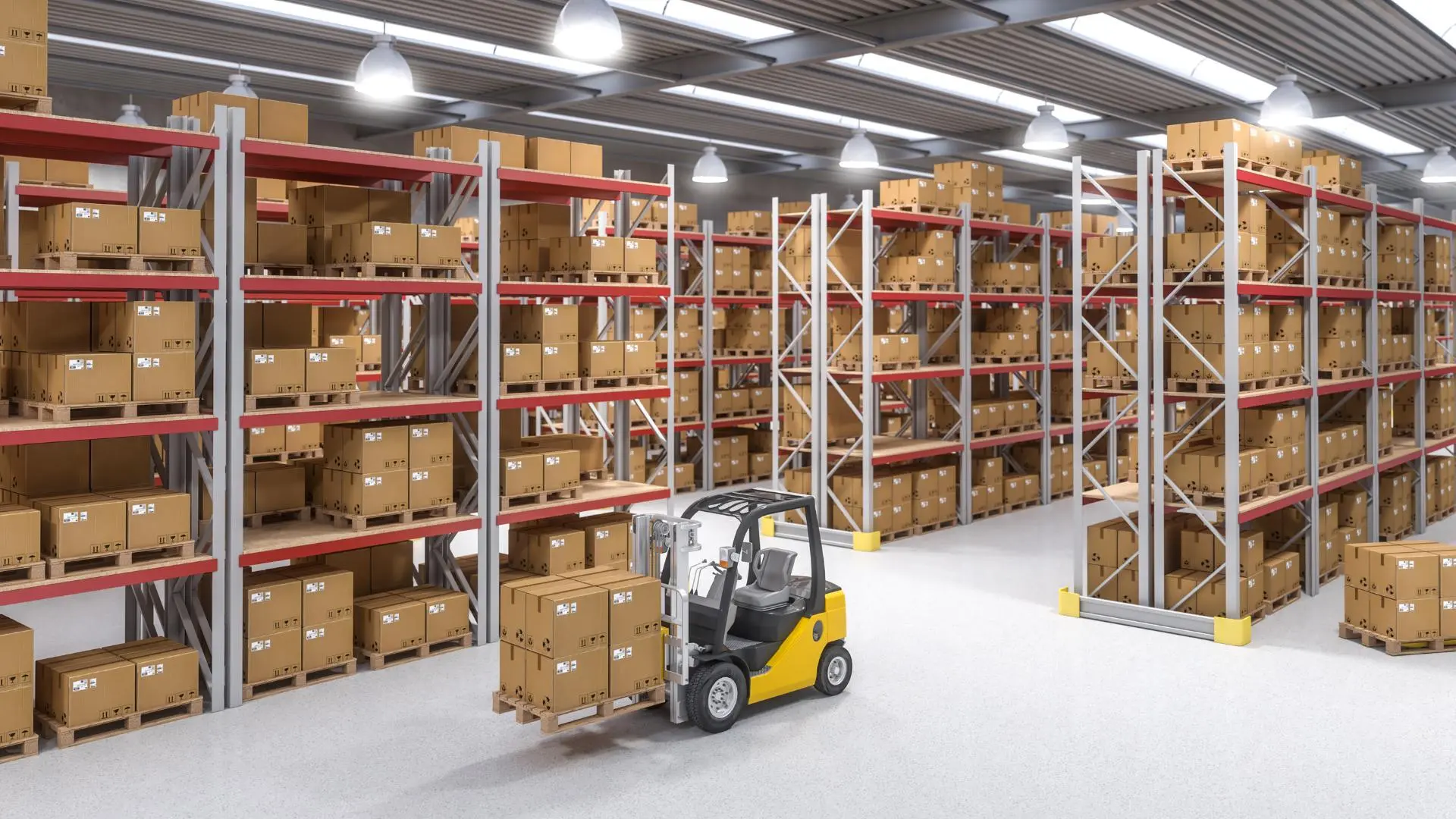
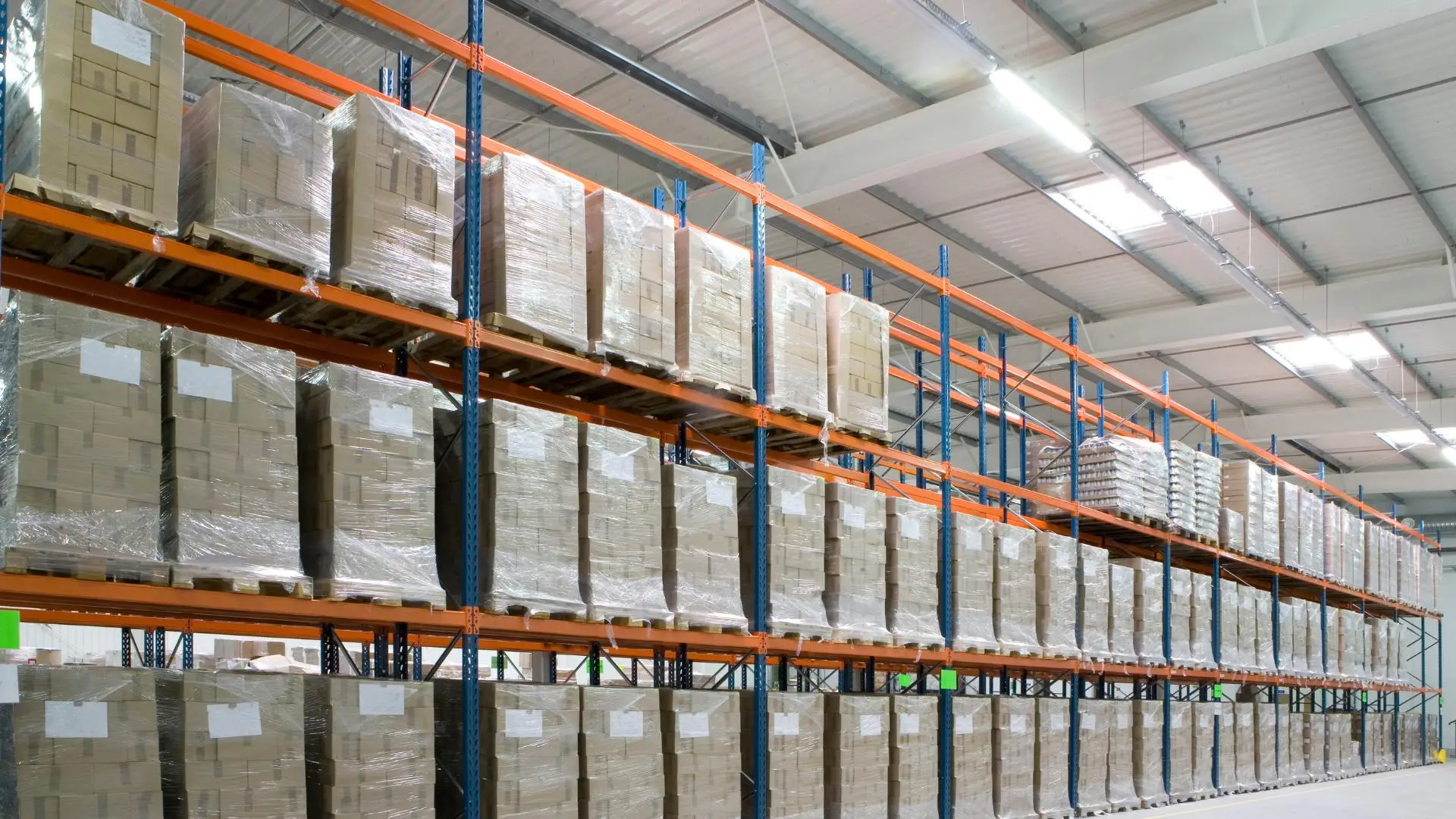
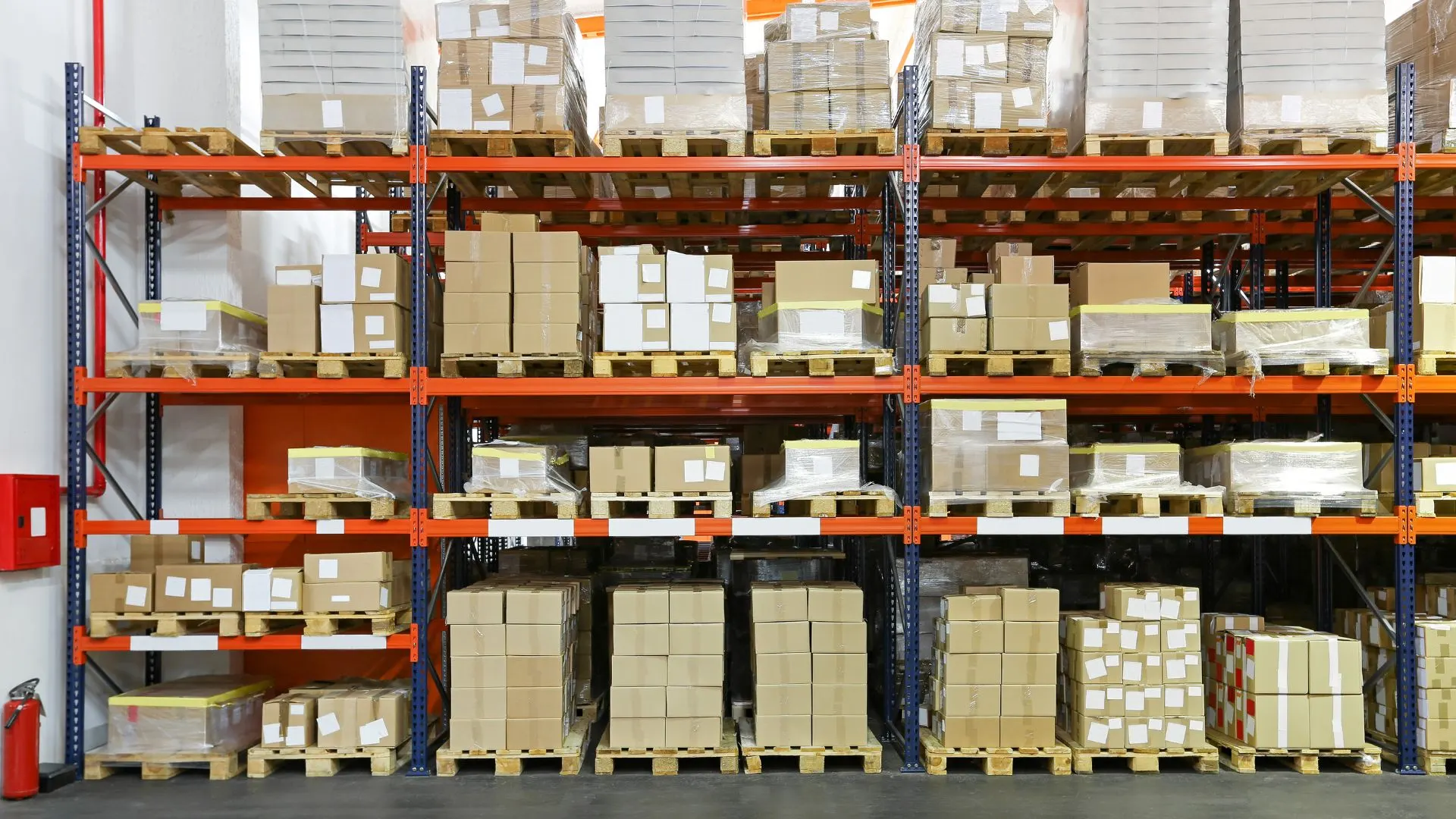
They are often used in warehouses or storage rooms where mobility is less important than maximum capacity. Organisations that need a flexible middle ground sometimes consider longspan shelving as a complementary option for heavier or bulkier items.
Compactus Filing Systems for Documents
A compactus filing system is specifically designed for storing files, folders, and boxed records.
These systems typically include adjustable shelves, hanging file frames, and document trays. They are widely used in corporate offices, legal practices, financial institutions, and government departments where structured document management is essential.
Key Benefits of Compactus Storage Systems
Space Optimisation
Compactus storage removes multiple fixed aisles, allowing more materials to be stored in the same area. This makes it ideal for organisations needing a high-density shelving system.
Improved Document Organisation
A compactus filing system keeps files, folders, and records organised, making documents easier to store, locate, and manage.
Enhanced Security and Controlled Access
Many compactus shelving systems include locking features that help protect confidential records and limit unauthorised access. Pairing these with appropriate safety products helps ensure overall workplace compliance.
Better Workplace Efficiency
Compactus mobile shelving allows quick access to stored items while keeping shelves compact, saving time and improving workflow.
Scalability for Growing Storage Needs
Most compactus shelving systems are modular, allowing organisations to expand storage capacity as their needs grow.
How Mobile Compactus Shelving Works
Rail and Track System
Compactus mobile shelving runs on floor-mounted rails that guide each shelving row. The tracks allow shelves to slide smoothly while keeping the system aligned and stable.
Movable Carriages
Shelving units are mounted on mobile carriages that move along the tracks. These carriages support the weight of the shelves and stored materials.
Locking and Safety Mechanisms
Modern compactus shelving systems incorporate safety features such as:
- Aisle locking mechanisms
- Anti-tip devices
- Safety handles and braking systems
These features prevent accidental movement and protect users when accessing stored materials. Safe Work Australia‘s Managing the Work Environment and Facilities Code of Practice notes that floors and surfaces must be strong enough to support loads placed on them, and that aisles must be kept clear and free of obstructions at all times.
Accessing Storage Aisles
Users slide the shelves to open one aisle at a time. After accessing items, the shelves move back together, allowing compactus storage to maximise available space.
Compactus Shelving vs Traditional Shelving
|
Feature |
Compactus Shelving |
Traditional Shelving |
|
Aisle design |
One movable aisle is created when needed | Fixed aisles between every shelving row |
| Storage density | Very high |
Moderate |
|
Space efficiency |
Maximises available floor space | Requires larger storage areas |
| System movement | Shelves slide on floor rails |
Shelves remain fixed in place |
|
Cost efficiency |
Higher upfront, but saves long-term space costs | Lower initial cost but less efficient use of space |
| Best for | offices, libraries, hospitals, organisations |
Warehouses or stockrooms |
Traditional shelving systems require permanent aisles between rows, reducing usable storage space.
In contrast, compactus mobile shelving eliminates most of these aisles by allowing shelves to move as a unit. This is why compactus systems are classified as a high-density shelving system. For facilities that handle palletised goods alongside documents, a warehouse shelving system may also be worth considering to cover both storage needs.
How to Choose the Right Compactus Shelving System
Assess Available Floor Space
Measure the room layout before installing compactus shelving. Track length, shelving rows, and aisle clearance must fit safely within the available space.
Determine Storage Capacity Requirements
Estimate how many files, boxes, or materials will be stored. Different compactus shelving systems offer varying shelf depths and load capacities.
Choose Manual vs Electric Systems
Manual systems suit smaller offices. Electric compactus mobile shelving is better for larger archives or facilities handling heavy storage loads.
Consider Safety and Compliance Standards
Ensure compactus shelving Australia installations meet workplace safety requirements, including load ratings and aisle safety features. Under the Model Work Health and Safety Regulations administered by Safe Work Australia, employers have a duty to ensure storage systems do not pose risks to workers.
Floor Load Limits and Building Structure
Because compactus storage concentrates weight in a small area, the building floor must support the load safely.
Plan for Future Storage Needs
Choose a scalable high-density shelving system. Many compactus shelving systems allow additional bays or extensions as storage needs grow.
Essential Checklist Before Buying Compactus Shelving
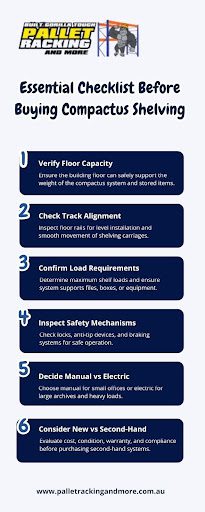
New vs Second-Hand Compactus Shelving
Benefits of Buying New Systems
New compactus shelving systems allow full customisation of shelf size, load capacity, and layout. They also come with warranties and meet current safety standards, making them reliable for long-term compactus storage installations.
Advantages of Second-Hand Compactus Shelving
Compactus shelving second-hand is a budget-friendly option. Refurbished systems can still provide the same high-density shelving system benefits at a significantly lower cost.
What to Check Before Buying Used Compactus Shelving
Before purchasing compactus shelving second-hand, check:
- Track alignment
- Carriage condition
- Shelf load capacity
- Safety locking features
- Signs of wear or damage
Professional inspection is recommended to ensure safe installation.
Cost of Compactus Shelving Systems in Australia
The cost of compactus shelving Australia installations varies depending on system size, configuration, and drive type.
Typical pricing factors include:
- System dimensions and number of shelving bays
- Load capacity requirements
- Manual, mechanical, or electric drive systems
- Customisation and installation complexity
Manual compactus shelving systems are generally the most affordable entry point for offices and small archives. Mechanical assist systems are slightly more expensive but allow easier movement of heavier shelving units.
For budget-conscious organisations, compactus shelving second-hand can significantly reduce upfront costs while still providing high-density storage benefits.
Because every facility has different storage requirements, organisations typically obtain quotes from suppliers to determine exact pricing for their specific installation.
Conclusion
For organisations facing limited storage space, compactus shelving provides a practical and efficient solution. By eliminating fixed aisles and using mobile shelving rows, these systems significantly increase storage density while maintaining organised access to documents and materials.
Across compactus shelving Australia installations in offices, libraries, hospitals, and government archives, the benefits include better space utilisation, improved organisation, and long-term cost efficiency.
When properly planned, installed, and maintained, compactus shelving systems provide a reliable, high-density solution that helps organisations store more within the same footprint while maintaining safe, structured storage environments.
FAQs
How much space can a compactus shelving system save?
A compactus shelving system can save approximately 50–80% of floor space compared with traditional shelving, depending on layout, aisle configuration, and shelving height.
Can compactus shelving support mixed storage types?
Yes. Compactus shelving systems can store files, books, boxes, and light equipment, but load capacity must be considered. Modular shelves allow mixed-use without compromising safety or space efficiency.
Can compactus shelving be customised for different storage needs?
Yes. Many suppliers offer modular or custom compactus storage solutions that allow organisations to configure shelf height, depth, and load capacity to match their specific storage requirements.
How much does compactus shelving cost in Australia?
Costs vary depending on size, drive mechanism, and customisation. Manual systems are generally the most affordable, while electric compactus shelving systems carry a higher price due to automation features.