Shelving solutions play a key role in managing space, improving movement keeping stored items properly organised. When items are stored systematically, routine tasks become faster, and interruptions are reduced. Homes, offices, workshops, and warehouses rely on strong shelving systems ranging from daily access to long-term storage and load support. Each space has different needs, so the right type of shelf helps maintain order and prevent clutter from building up. A well-planned storage layout improves accessibility and structure in any room.
Shelving also supports safety, comfort, and better workflow. When shelves match the weight and size of stored items, the setting becomes safer for everyone. Proper shelving reduces clutter-related risks and assists the user in maintaining consistent storage habits. This article explores helpful shelf types such as long-span shelving, mobile shelving, wire shelving, and storage shelves solutions that improve both homes and workplaces.
An Overview Of Modern Shelving Solutions
These solutions are designed to support organised storage while adapting to different load and access requirements. These systems allow users to store goods in a safe, easy, and smart way without wasting floor space. Shelves support light, medium, and heavy loads, depending on the design.
Modern shelving solutions focus on:
- Strong structure
- Long life
- Safety
- Smooth access
- Easy cleaning
- Flexible use
The right shelving system enhances workflow, reduces clutter, and keeps items organised and neat.
The Main Types Of Shelving Systems
Shelving systems exist in many shapes and sizes. Each type serves a different purpose. Some systems are perfect for small homes, while others support heavy warehouse loads. Modern storage systems encompass a wide range of designs backed by material handling guidelines for best performance.
Long-Span Shelving For Strong Storage Needs
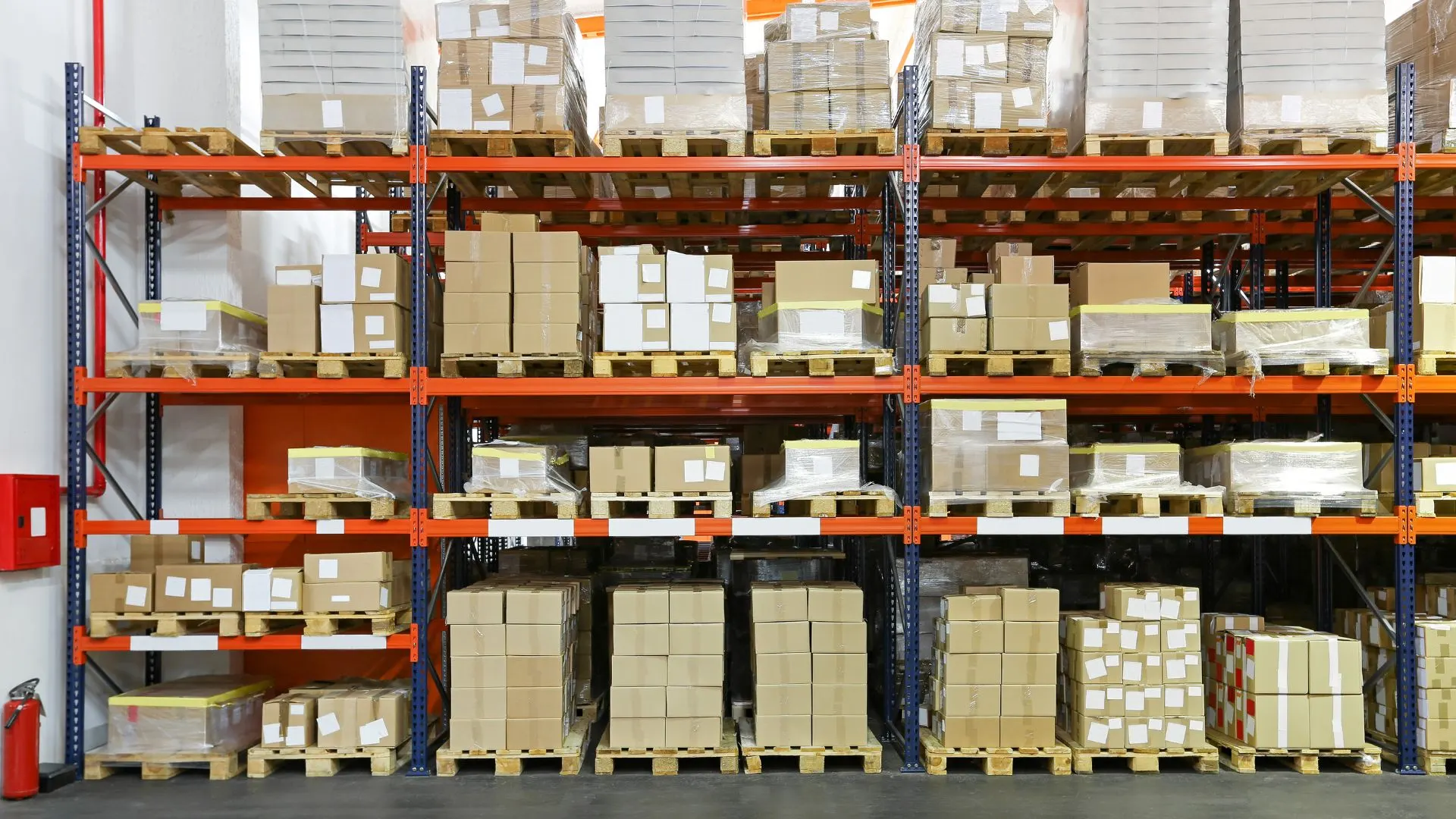
Long-span shelving is designed for medium to heavy loads, where pallet racking is not necessary. It holds medium and heavy items without bending. This system is often used in workshops, warehouses, and garages.
Key strengths of long-span shelving include:
- Strong steel frame
- Adjustable shelf levels
- Wide shelf space
- Stable design
Long-span shelving supports boxes, tools, parts, and bulky items. It allows users more vertical space, which improves storage without adding extra rooms.
Mobile Shelving For Flexible And Space-Saving Use
Mobile shelving is a smart system that moves on tracks or wheels. It is perfect for areas that require easy access or quick re-arrangement. Offices, libraries, and small shops use this system to save floor space.
Benefits of mobile shelving:
- Smooth sliding shelves
- More floor space
- Safe storage for files and documents
- Flexible layout
Mobile shelving reduces clutter and makes rooms feel more open.
Wire Shelving For Airflow And Clean Storage
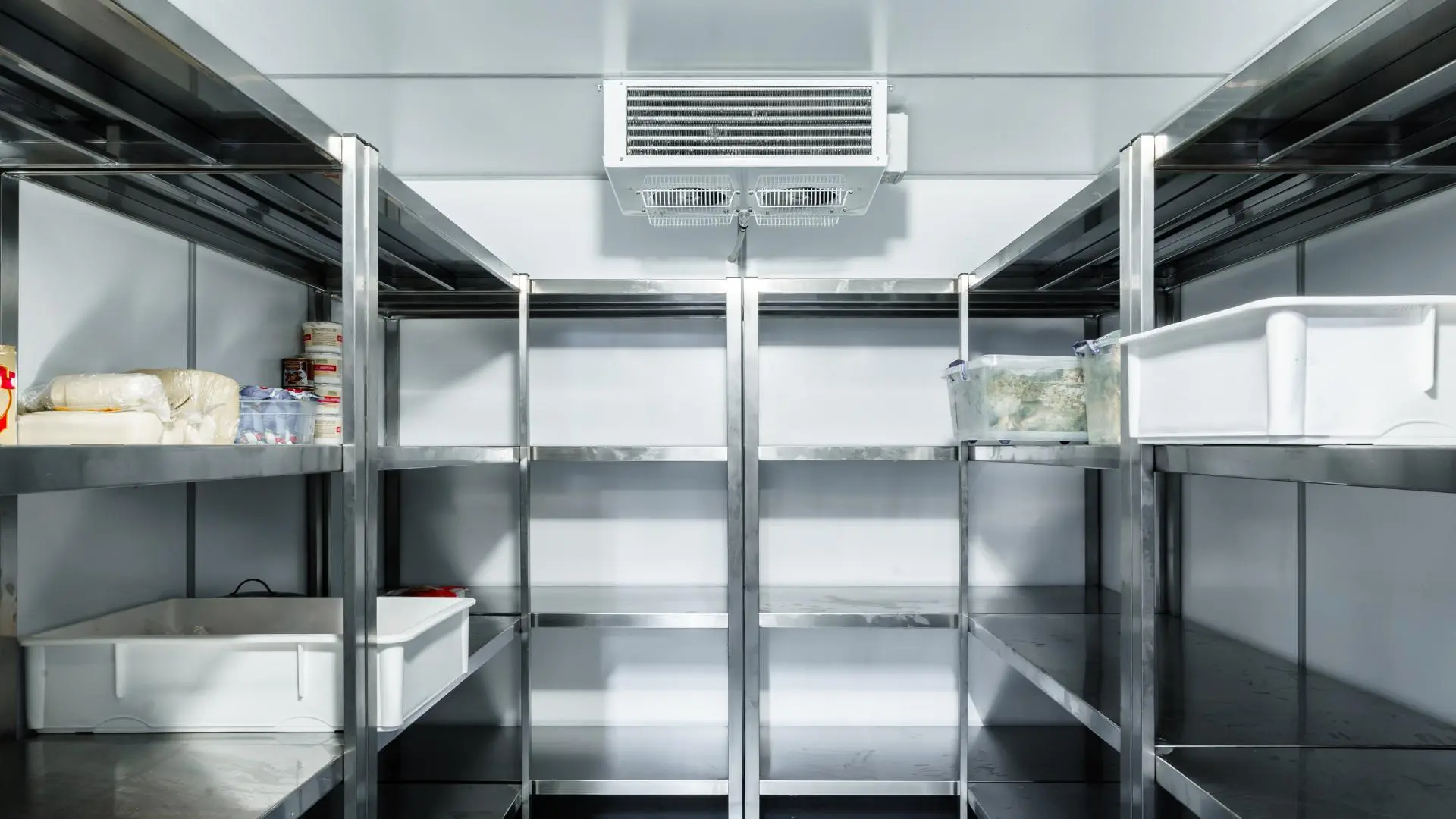
Wire shelving uses metal wires for shelf surfaces. This design helps airflow move through the shelves, reducing moisture and supporting hygiene standards. It is common in kitchens, medical spaces, and shops that need clean and dry storage.
Strengths of wire shelving:
- Light structure
- Good airflow
- Easy cleaning
- Rust-safe options available
Wire shelving supports quick drying of items and reduces dust build-up.
Everyday Storage Shelving For Daily Organisation
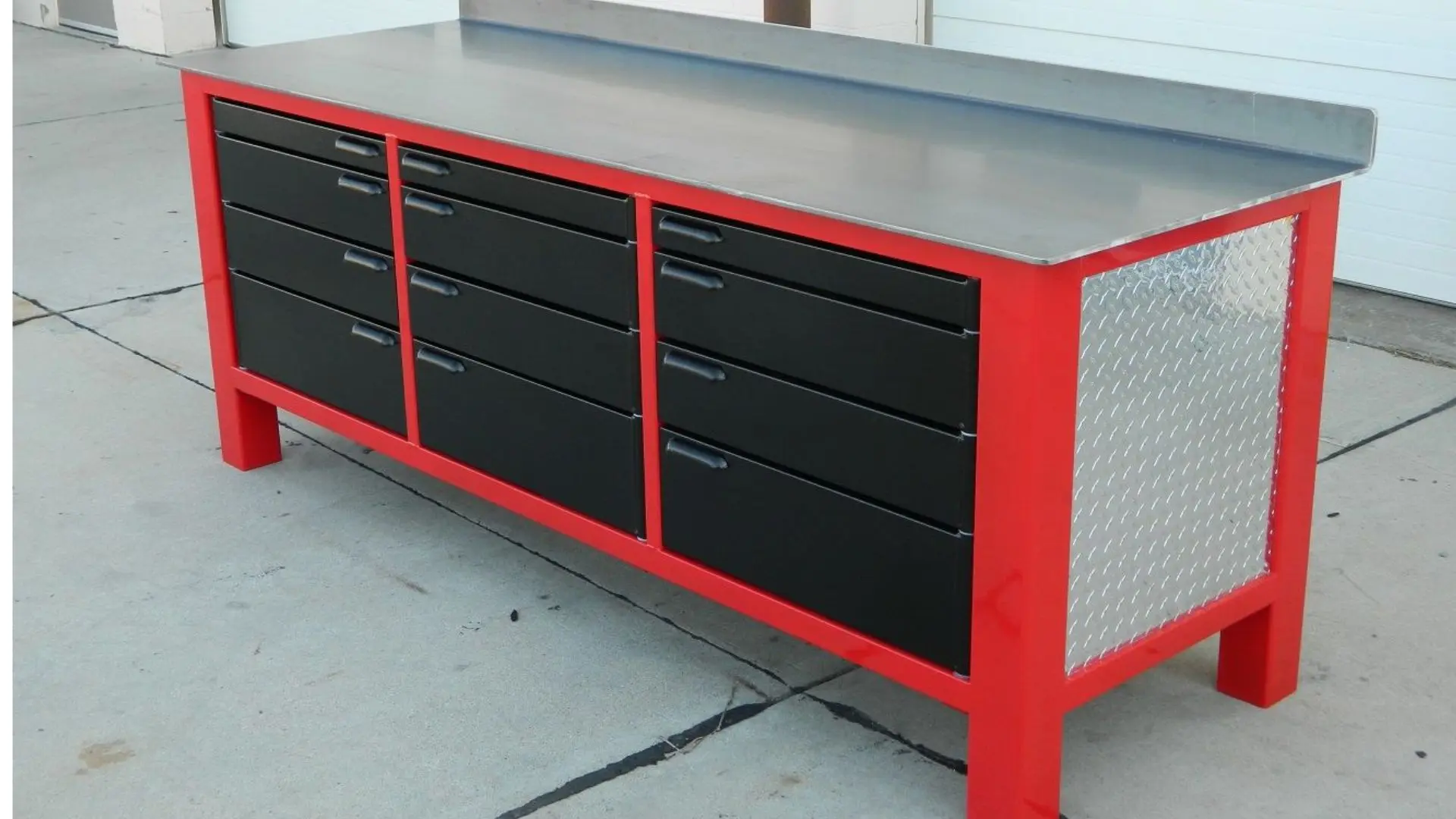
Storage shelves solutions include simple shelf units used in homes, schools, offices, and small rooms. These shelves hold items that need daily or quick access.
Common Features Include:
- Light to medium load support
- Simple assembly
- Many shapes and designs
- Affordable options
Storage shelves solutions help people store books, toys, towels, kitchen items, and office supplies.
Benefits Of Shelving Systems In Different Spaces
Properly planned shelving systems improve safety, access speed, and space efficiency. They help users organise goods, reduce clutter, and keep walking areas clear. A well-planned layout supports safer movement and smoother work.
Improved Use Of Vertical Space
Shelving systems lift items upward instead of using floor space. This results in more room for movement, work, or other activities.
Greater Organisation In Busy Areas
Shelves reduce mess and help people place items in the right category. This supports smooth daily tasks and reduces stress.
Faster Access To Stored Items
Well-placed shelves help users reach items without trouble. Tools, documents, and goods stay visible and easy to find.
Higher Safety Levels
Items stored on stable shelves stay safe and secure. Heavy items stored on lower shelves reduce the chance of accidents.
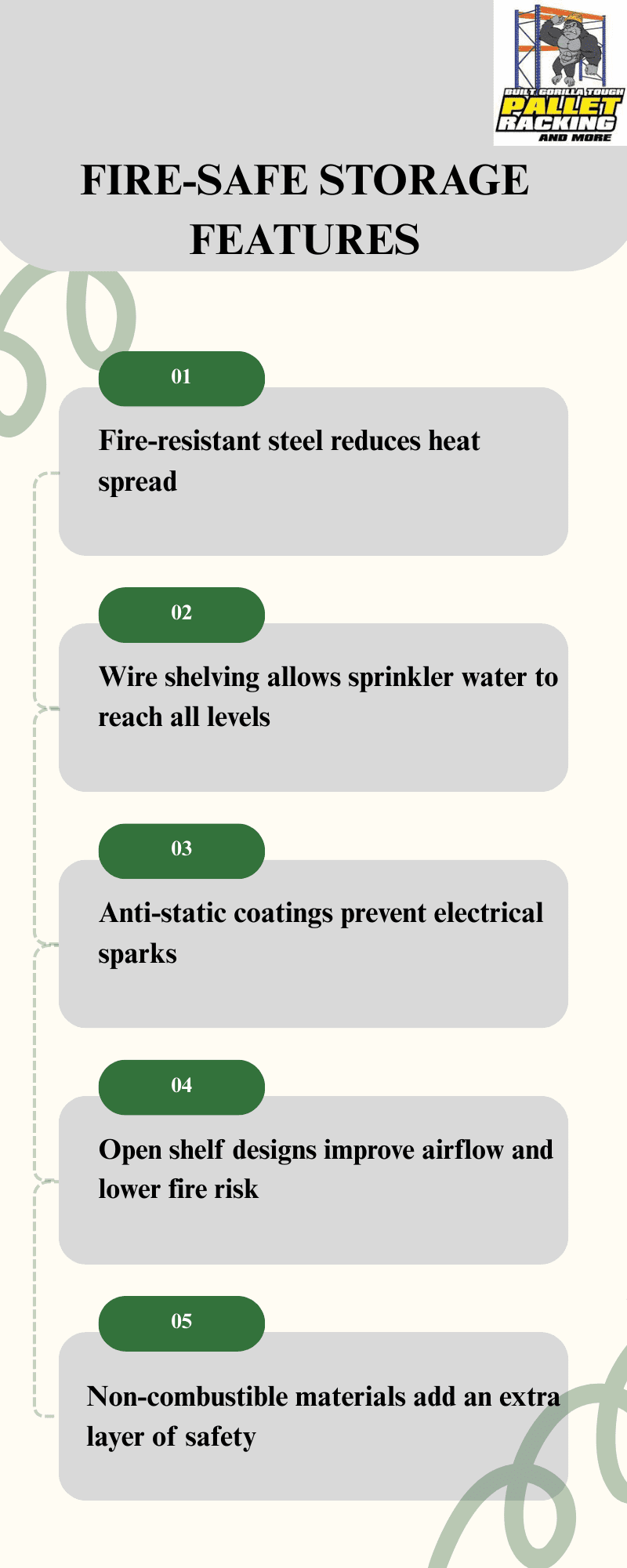
Fire-Safe Storage Features
In commercial and industrial spaces, shelving design also plays a role in fire safety and emergency response.
Important Factors When Choosing Shelving Solutions
Selecting the best shelving system depends on the space, load weight, and purpose. Below are the main points to consider.
Load Capacity
Every shelf supports a limit. Heavy tools require stronger shelves, such as long-span shelving. Light items work well with wire shelving.
Space Layout
Measure the room before selecting shelves. Mobile shelving works best in small spaces that require movement. Fixed shelves work well in wide rooms.
Type Of Items Stored
Small items need narrow shelves. Large boxes need long-span shelves. Clean spaces like kitchens prefer wire shelving for airflow.
Maintenance Level
Some shelving systems are easier to clean. Wire shelving requires less effort. Steel shelves are stronger but heavier to clean.
Comparison Table For Common Shelving Systems
|
Shelving Type |
Best Use Area | Load Strength | Special Feature | Ease Of Cleaning |
|
Long-span shelving |
Warehouses, workshops | Medium to heavy | Wide shelves | Medium |
|
Mobile shelving |
Offices, libraries | Light to medium | Moves on tracks |
Medium |
| Wire shelving | Kitchens, medical areas | Light | Airflow design |
High |
| Storage shelves solutions | Homes, small shops | Light to medium | Simple setup |
High |
Common Areas That Use Shelving Systems
Shelving systems support many industries and spaces. Each area uses different shelves based on its needs.
Homes
People use shelves in kitchens, bedrooms, garages, and living rooms. They help store books, tools, clothes, and toys.
Offices
Offices use mobile shelving and storage shelves solutions to hold files, documents, and supplies.
Retail Stores
Shops use wire shelving and long-span shelving to display goods and keep the stockroom in order.
Warehouses
Warehouses rely on strong long-span shelving for heavy loads and safe storage.
Schools And Libraries
Mobile shelving helps schools reorganise space quickly during events or busy hours.
How Strong Shelving Improves Daily Life?
Strong shelving improves both work and home life. Shelves help people stay organised, save time, and reduce stress.
Improved Productivity
Organised items support smooth work. People spend less time searching and more time completing tasks.
Better Appearance
Neat shelves make a room look clean and well-managed.
Protection for Stored Items
Shelving protects items from damage, dust, and moisture.
Improved Safety in Busy Spaces
Stable shelves reduce the chance of falling objects.
Steps For Proper Shelving Maintenance
Proper care extends the life of shelving systems.
Regular Cleaning
Dust shelves weekly. Wire shelving collects less dust but still needs cleaning.
Checking For Loose Screws
Loose parts reduce stability. Always tighten bolts when needed.
Avoiding Overload
Follow the weight limit to avoid damage or collapse.
Replacing Damaged Parts
Broken beams or shelves reduce safety. Replace them as soon as possible.
Materials Used In Modern Shelving Systems
Shelving systems use strong materials to support different loads.
Steel
Steel shelves support heavy loads and last long. Long-span shelving often uses steel.
Aluminium
Aluminium shelves are light and resist rust.
Plastic
Plastic shelves are easy to move and suitable for light items.
Wire Metal
Wire shelves use metal wires for airflow and easy cleaning.
Reasons Many Users Prefer Long-Span Shelving
Long-span shelving works well for large rooms and heavy items. It gives strong support, long life, and more vertical storage space. Workshops and warehouses trust this system because it holds tools, machines, and boxes safely.
Reasons Wire Shelving Works In Clean Environments
Wire shelving is used in kitchens, hospitals, and shops that need airflow and hygiene. The open design stops dust from building up and helps items dry faster.
Benefits Of Mobile Shelving In Office Settings
Mobile shelving creates more floor space and supports tidy storage of files. Offices often run out of room, and mobile shelving helps solve this problem.
Simple Tips For Better Shelf Organisation
A few simple tips improve storage results:
- Place heavy items on lower shelves
- Label shelves for quick access
- Keep similar items together
- Use vertical space wisely
- Leave walking space clear
These steps improve safety and workflow.
Conclusion
Shelving solutions support homes, workplaces, and industrial areas by improving organisation, safety, and space use. With the right shelving systems, users store items in a tidy, strong, and structured way. Long-span shelving supports heavy loads. Mobile shelving opens more floor space. Wire shelving improves airflow. Storage shelves solutions work well for daily use.
Smart planning, correct load limits, and regular cleaning keep shelves strong for many years. The right shelving system creates a cleaner and more productive space for everyone. Contact Us Now!
Also Read:
Drive In Pallet Racking Guide For High Density Storage
Double Deep Pallet Racking for Efficient Warehouse Storage
FAQs
What is the main purpose of shelving solutions?
Shelving solutions help people store items in an organised and safe way. They support different loads and improve the use of space in homes and workplaces.
Which shelving system is best for heavy items?
Long-span shelving supports medium and heavy items. Its strong steel beams help hold large boxes, tools, and bulky goods without bending.
Is wire shelving good for kitchens?
Yes. Wire shelving allows air to move through the shelves. This reduces dust and moisture, which makes it useful for kitchens and clean areas.
How often should shelves be checked for safety?
Shelves should be checked once a month for loose screws, broken parts, and weight issues. Regular checks improve safety and shelf life.