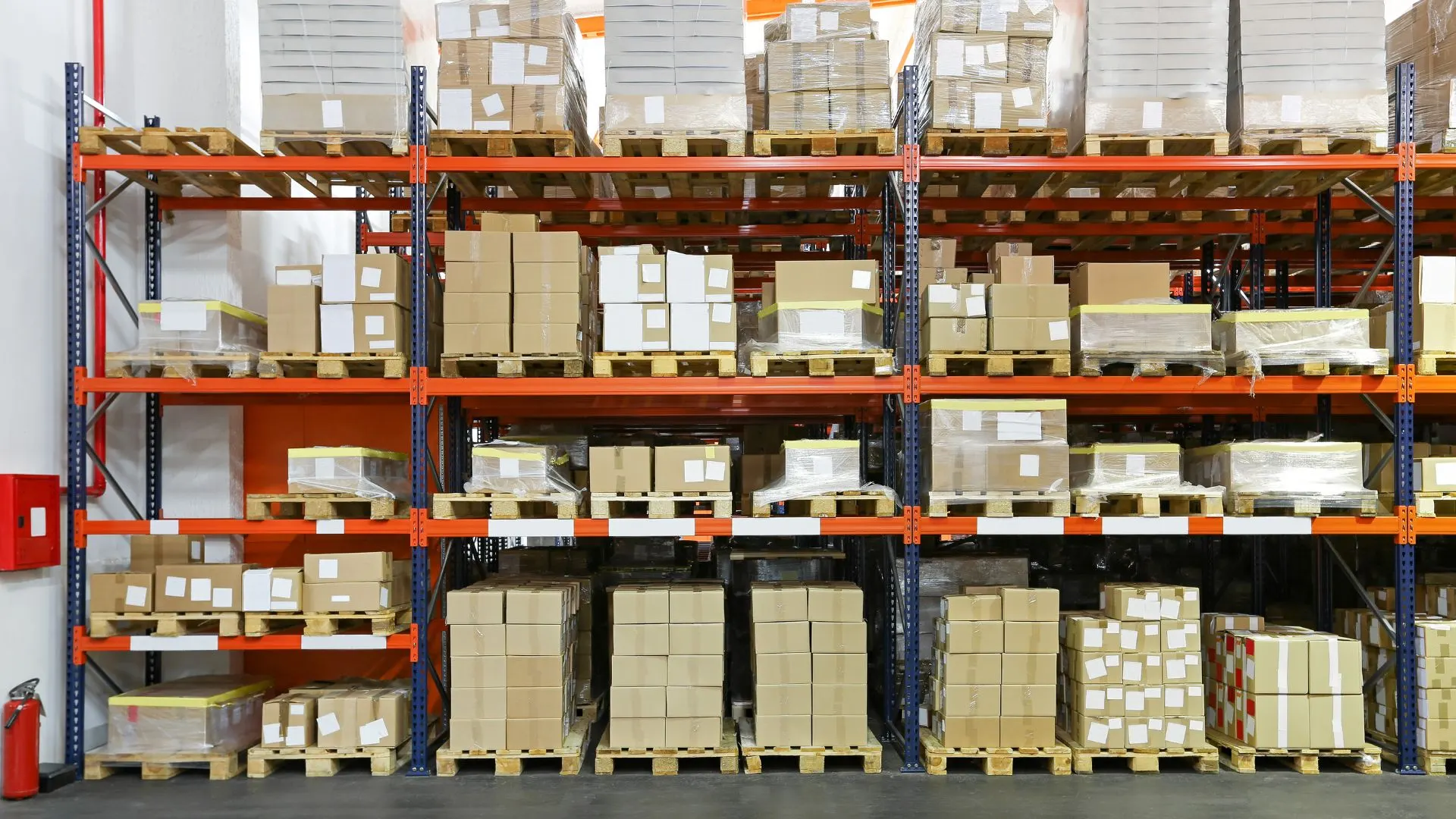
Warehouses across Australia are under increasing pressure to store more inventory while maintaining strict workplace safety standards. Rapid growth in e-commerce, higher SKU variety, and tighter delivery timelines mean many facilities are pushing older storage infrastructure beyond its intended limits. When pallet storage infrastructure becomes outdated, the risks compound quickly, including reduced productivity, safety incidents, and non-compliance with Australian regulations.
According to WorkSafe Victoria, storage systems are a major factor in warehouse incidents, particularly when racks are damaged, overloaded, or improperly inspected. Australian Standard AS 4084 also outlines strict requirements for rack design, installation, inspection, and signage to maintain safe operations.
What Is a Pallet Racking Upgrade?
A pallet racking upgrade refers to improving an existing warehouse storage system to enhance structural safety, load capacity, storage density, or operational efficiency. Rather than replacing the entire system immediately, upgrades often focus on improving critical components or redesigning layouts to meet evolving operational needs.
Standards Australia and Safe Work Australia emphasises that rack systems must be regularly evaluated to ensure they still meet operational loads and safety requirements.
The main goal of upgrading pallet storage racks is to improve three key areas:
- Structural safety and compliance
- Storage capacity and pallet racking efficiency
- Operational performance in warehouse workflows
Warehouses often discover that older racking systems were designed for different product volumes or pallet weights than current operations demand.
Why Pallet Racking Upgrades Matter
Australian warehouses today operate in a vastly different environment compared with a decade ago. Growth in online retail, faster fulfilment expectations, and automation technologies have significantly changed how storage systems are used.
Changing Supply Chain Demands
Key drivers pushing businesses toward pallet racking upgrades include:
- Increased SKU diversity
- Higher pallet turnover
- Demand for faster picking and dispatch
Older storage systems may struggle to support these conditions. Understanding different pallet racking types can help warehouse managers identify the right solution for their evolving needs.
Stricter Workplace Safety Enforcement
Australian WHS (Work Health and Safety) regulations require employers to maintain safe storage structures. Failure to maintain compliant racks can result in penalties or insurance issues.
Safe Work Australia stresses that damaged racks or overloaded systems can lead to catastrophic collapses if not addressed promptly.
Cost of Inaction
Failing to upgrade pallet storage racks can lead to:
- Higher repair costs
- Product damage
- Reduced pallet racking efficiency
- Worker injury risks
- Compliance violations
- Support for Automation
Modern warehouses often integrate automated picking or conveyor systems. Upgraded racks designed for robotics or automated storage systems improve operational scalability and storage density.
Key Signs Your Warehouse Needs a Pallet Racking Upgrade
Recognising early warning signs is critical to avoiding costly failures. Many Australian safety authorities highlight that visible rack damage and recurring operational issues often indicate deeper structural problems.
Frequent Rack Damage
Forklift impacts are one of the most common causes of rack damage.
Signs include:
- Bent beams
- Twisted uprights
- Dislodged safety locks
- Misaligned frames
According to WorkSafe Victoria, damaged racks should be repaired or replaced immediately because structural integrity may already be compromised. Repeated damage often indicates the need for a broader warehouse racking upgrade rather than simple repairs.
Limited Storage Capacity
If your warehouse consistently runs out of pallet positions, your layout may not be optimised.
Low pallet racking efficiency often results from:
- Wide aisles
- Poor vertical utilisation
- Inflexible rack spacing
Upgrading pallet storage racks can significantly increase storage density without expanding the building footprint. Systems like double deep pallet racking or drive-in pallet racking are specifically designed for high-density environments where space is at a premium.
Inefficient Warehouse Layout
Warehouse layouts that slow down order picking may indicate outdated storage infrastructure.
Symptoms include:
- Congested forklift traffic
- Long picking routes
- Underused vertical space
Modern systems improve pallet racking efficiency through better aisle planning and SKU positioning. For operations with long or awkwardly shaped items, solutions like cantilever racking can also free up significant floor space when incorporated into a revised layout.
Increased Safety Incidents
Frequent near misses or minor incidents involving racks or forklifts often signal deeper safety issues. Safe Work Australia warehouse safety guidance emphasises that recurring incidents should trigger a full pallet racking inspection.
Difficulty Handling Heavier Loads
If product weights have increased, the original rack design may no longer meet load requirements. In these cases, heavy-duty racking replacement may be necessary to safely handle higher pallet loads. Before making any changes or upgrades, it’s a good idea to check the pallet rack weight capacity based on AS 4084 standards.
Rising Maintenance Costs
Repeated beam replacements and structural repairs often cost more long term than a planned pallet racking upgrade. Frequent maintenance spending is often a key indicator that the system is reaching the end of its useful life.
Key Components of a Pallet Racking System
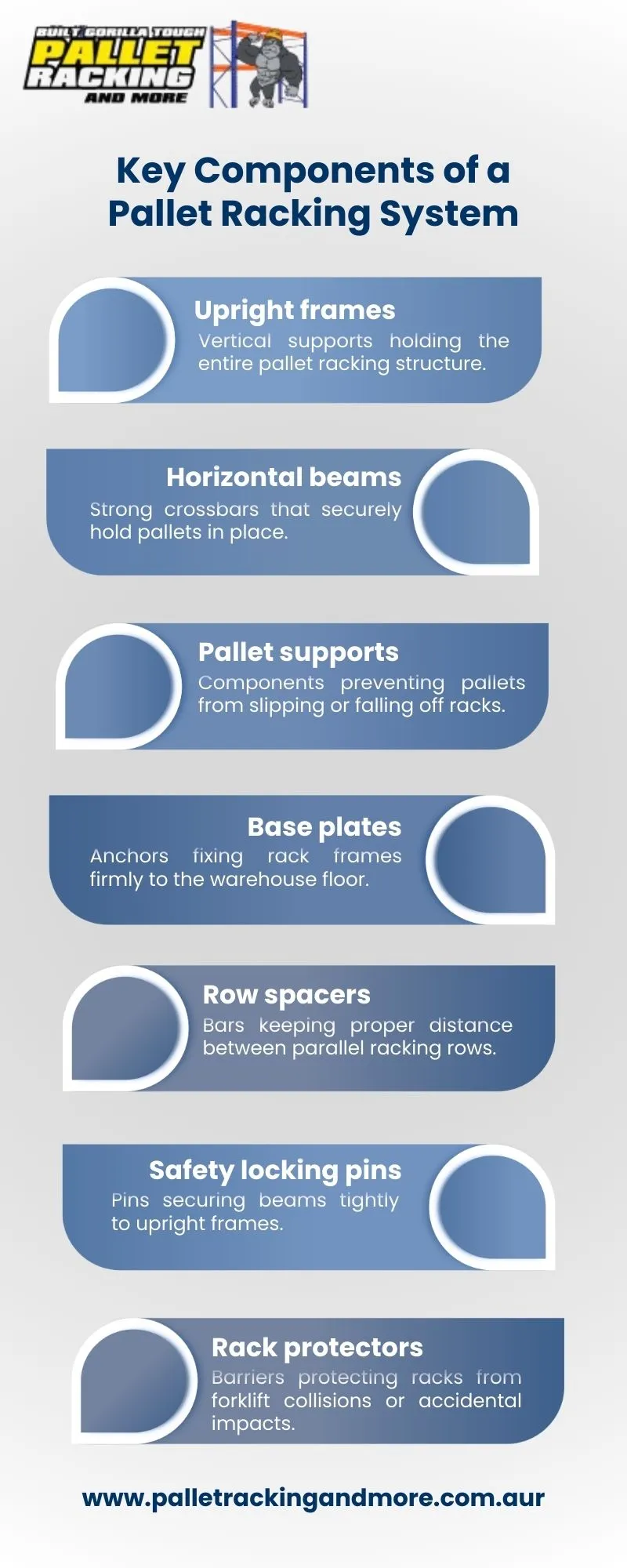
The Role of Pallet Racking Inspections in Identifying Upgrade Needs
Regular pallet racking inspections are essential for identifying safety risks and determining when upgrades are required. Australian Standard AS 4084-2023 outlines inspection requirements for steel storage racking systems.
Why Regular Inspections Are Essential
AS 4084 recommends that warehouses maintain structured inspection programs to identify:
- Structural damage
- Overloaded racks
- Missing safety components
- Alignment issues
These inspections help determine whether a warehouse racking upgrade is necessary.
Recommended Inspection Frequency
Australian guidelines recommend several types of inspections:
- Routine inspections: Conducted internally by trained staff weekly or monthly.
- Periodic expert inspections: Conducted by qualified inspectors at least annually.
- Post-incident inspections: Required after forklift impacts or structural damage.
What Inspectors Examine
Professional inspections typically evaluate:
- Structural damage to beams and frames
- Load capacity compliance
- Anchor bolt and base plate stability
- Bracing integrity
- Corrosion or metal fatigue
These assessments determine whether repair, reinforcement, or heavy-duty racking replacement is required.
Compliance Responsibilities
Under Australian WHS laws, warehouse operators are responsible for ensuring storage systems remain safe. Employers must address any hazards identified during pallet racking inspections.
Benefits of Upgrading Pallet Storage Racks
A strategic pallet racking upgrade provides both operational and safety benefits.
Higher Pallet Racking Efficiency
Modern rack designs maximise vertical storage space and optimise aisle layouts, increasing total pallet positions. For businesses weighing their options, selective pallet racking remains one of the most versatile and widely adopted systems for improving efficiency across a broad range of product types.
Improved Warehouse Safety Compliance
Upgraded systems reduce the risk of rack collapse and help ensure compliance with pallet racking safety requirements under Australian WHS regulations.
Faster Order Picking
Improved layouts reduce travel distance and increase picking speed, improving productivity.
Reduced Product Damage
Properly designed pallet storage racks reduce pallet misalignment and product damage during storage.
Support for Automation
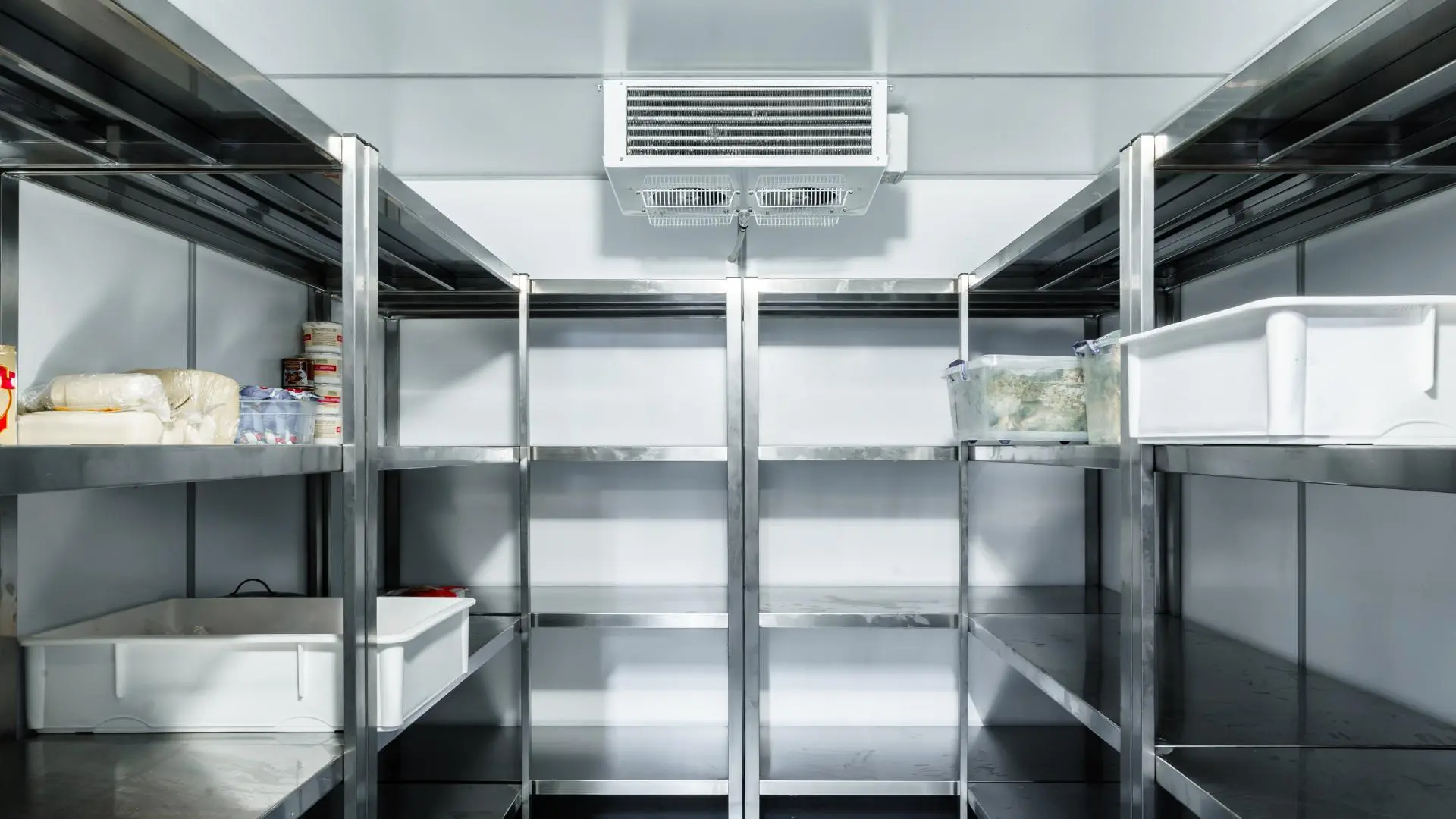
Modern rack systems are designed to integrate with warehouse automation and robotics, improving scalability and throughput. Facilities with temperature-sensitive inventory should also consider purpose-built cold storage racking systems that are engineered to perform safely in freezer and chiller environments.
The Role of Warehouse Racking Signs in Safety Compliance
Warehouse racking signs play an essential role in maintaining safe operations. Australian Standard AS 4084 requires visible load rating signage on pallet racks.
Load Capacity Signage
Load rating plates indicate the maximum allowable load per bay and per beam level.
Safety Warning Signs
These signs highlight hazards such as forklift zones and restricted access areas.
Inspection and Maintenance Labels
Inspection tags help track maintenance schedules and ensure racks remain compliant.
Rack Identification and Zone Marking
Clear warehouse racking signs help workers identify rack zones quickly and follow safe loading practices.
Step-by-Step Process for Planning a Warehouse Racking Upgrade
Upgrading warehouse storage systems requires careful planning and compliance with Australian standards.
Step 1: Assess Current Racking Systems
Evaluate the condition and capacity of existing pallet storage racks relative to operational requirements.
Step 2: Commission Professional Pallet Racking Inspections
Engage certified inspectors to conduct detailed pallet racking inspections.
Step 3: Identify Upgrade vs Replacement Needs
Determine which rack zones require repair, reinforcement, or heavy-duty racking replacement.
Step 4: Select the Appropriate Racking System
Choose systems that improve pallet racking efficiency and support the product mix stored in the warehouse. A pallet racking system can help you choose the right configuration based on your operational needs.
It improves warehouse organisation and makes storage and inventory handling more efficient.
Step 5: Engage Certified Installers
Professional installation ensures compliance with AS 4084 and pallet racking safety regulations.
Step 6: Verify Compliance and Update Signage
Install updated warehouse racking signs showing load ratings and safety instructions before reopening the storage area.
Common Mistakes to Avoid During Racking Upgrades
Even well-planned projects can encounter problems if safety or operational factors are overlooked.
Ignoring Load Capacity Limits
Temporary loading during upgrades can exceed safe limits if racks are not properly assessed.
Skipping Professional Inspections
Avoid bypassing pallet racking inspections to reduce costs. Inspections identify structural risks that may not be visible.
Choosing the Wrong Racking System
Selecting an unsuitable rack design can reduce pallet racking efficiency and limit future scalability.
Poor Layout Planning
A poorly designed layout can create forklift congestion and inefficient workflows even after the upgrade.
Lack of Staff Training
Employees must understand new rack systems, safe loading methods, and updated pallet racking safety procedures.
Pallet Racking Safety Best Practices for Australian Warehouse Teams
Maintaining pallet racking safety requires consistent monitoring and staff awareness.
Maintain Regular Inspection Schedules
Follow the inspection guidelines outlined in AS 4084 and Safe Work Australia recommendations.
Repair or Quarantine Damaged Racks
Damaged racks should be immediately isolated until repaired or replaced.
Maintain Clear Load Signage
All racks should display clear warehouse racking signs showing load capacity.
Safe Forklift Operation
Forklift drivers should maintain safe clearance distances to avoid rack collisions.
Training and Incident Reporting
Regular safety training ensures staff understand how to use pallet storage racks safely and report hazards.
Cost Factors for Pallet Racking Upgrades in Australia
Costs for a pallet racking upgrade vary widely depending on warehouse size and system complexity.
- Type of pallet storage racks selected
- Warehouse layout complexity
- Installation labour and engineering costs
- Safety upgrades, such as guards and warehouse racking signs
- Structural repairs before installation
According to Australian logistics equipment suppliers and market analyses, small upgrades may cost several thousand dollars, while large warehouse racking upgrade projects for distribution centres can exceed hundreds of thousands, depending on scale.
Conclusion
Upgrading warehouse storage infrastructure is not just a maintenance decision. A well-planned pallet racking upgrade improves safety, increases pallet racking efficiency, and ensures compliance with Australian workplace regulations. Regular pallet racking inspections, clear warehouse racking signs, and strategic heavy-duty racking replacement when necessary help reduce risk and improve long-term operational performance.
For many Australian warehouses, the most effective approach is consulting a certified racking specialist who can assess existing pallet storage racks, recommend improvements, and ensure full compliance with AS 4084 and WHS safety standards.
FAQs
How can a better racking design improve warehouse workflow?
A well-planned pallet racking upgrade improves aisle spacing, pallet access, and pick paths. These layout improvements increase pallet racking efficiency by reducing forklift congestion and enabling faster, more organised warehouse operations.
Do pallet racking upgrades require employee safety training?
Yes. After installing upgraded pallet storage racks, employees and forklift operators should receive training on updated load limits, new warehouse racking signs, and safe pallet handling to maintain proper pallet racking safety.
What role do rack protection systems play in warehouse safety?
Rack protection systems such as column guards, end-of-aisle barriers, and upright protectors help prevent forklift impact damage. They protect pallet storage racks and strengthen long-term pallet racking safety within warehouses.
How long does a typical pallet racking upgrade project take?
The duration of a pallet racking upgrade depends on warehouse size and installation complexity. Small facilities may finish in days, while large warehouses upgrading multiple pallet storage racks may require several weeks.