When running a warehouse, distribution centre, or storage facility, every square metre counts. A well-structured layout not only saves space but also boosts productivity and safety. One of the most essential elements that makes this possible is pallet racking, the foundation of efficient warehouse management. This article explores what pallet racking is, why it matters, the various types, key safety practices, and how professionals like PalleTracking & More can help design a system that enhances performance, safety, and cost-effectiveness.
What Is Pallet Racking?
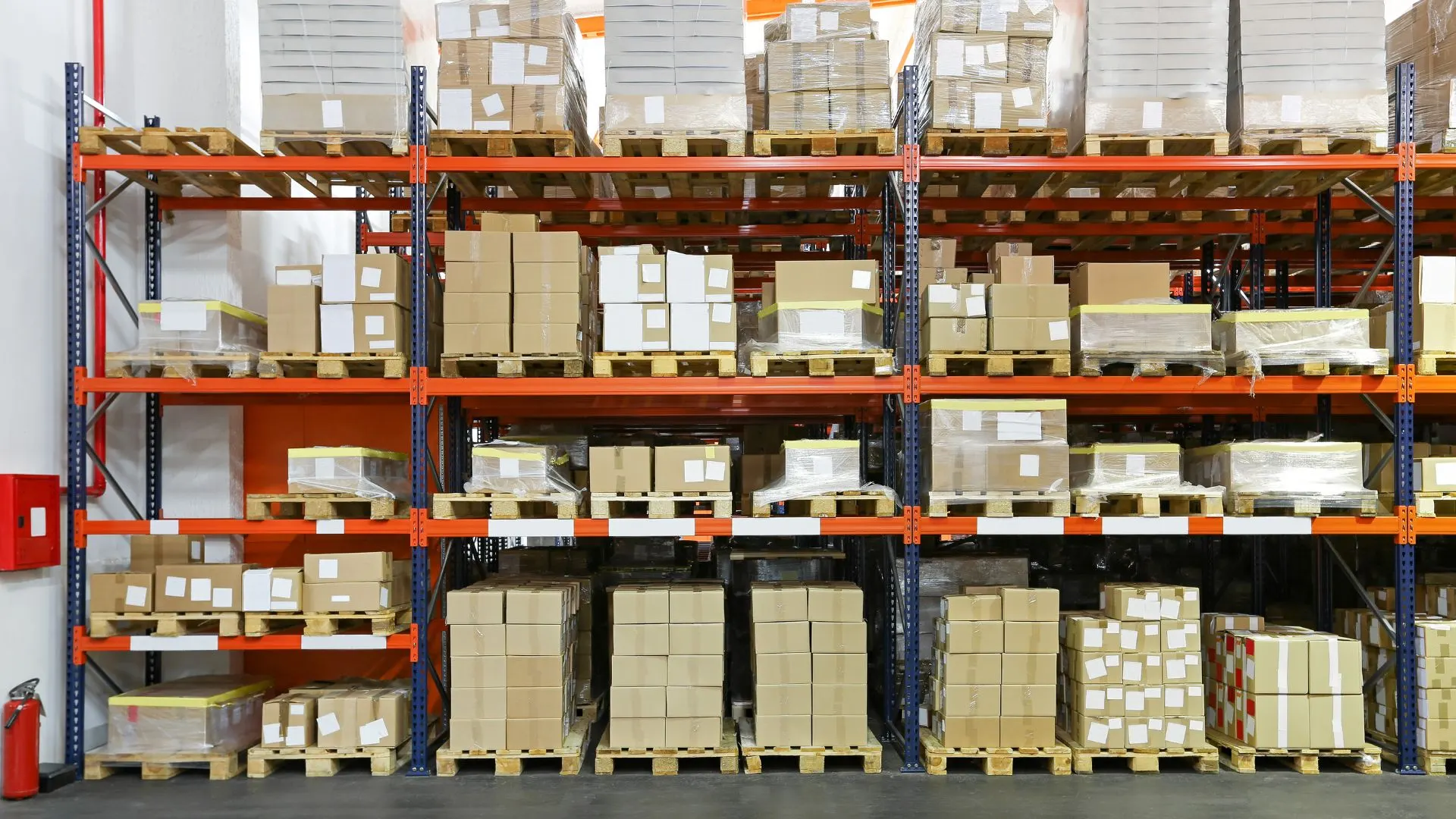
Pallet racking is a warehouse storage system designed to hold materials on pallets (also known as “skids”) in multiple horizontal rows and vertical levels. It helps businesses utilise vertical space, keep stock organised, and improve accessibility using forklifts or reach trucks. By creating structured storage zones, pallet racking makes warehouse operations smoother, reduces clutter, and enables faster order picking, crucial for high-volume industries like retail, logistics, and e-commerce.
Why Pallet Racking Matters for Warehouse Efficiency
A well-planned pallet racking system transforms warehouse performance. Here’s why it’s indispensable: it maximises storage space by allowing for vertical stacking, ensuring optimal use of warehouse height. It improves productivity as workers can quickly locate, pick, and restock products, reducing downtime. It enhances safety by preventing overloading, collapses, and workplace injuries. It reduces operational costs through better organisation and fewer damaged goods. Finally, it offers flexibility since modular systems can be adjusted, expanded, or relocated as your business evolves.
Types of Pallet Racking Systems
Choosing the right pallet racking depends on your warehouse layout, inventory type, and picking requirements. Below are the most common systems used across industries.
Selective Pallet Racking
This is the most popular system because it provides direct access to every pallet. It’s ideal for warehouses that handle diverse SKUs and require quick access.
Drive-In Racking
Drive-in systems allow forklifts to move directly into the racking lanes, making them perfect for high-density storage of similar products. However, they follow the “last in, first out” (LIFO) principle, so they suit products with longer shelf lives.
Push-Back Racking
In this system, pallets are stored on wheeled carts that move backward as new pallets are added. It increases storage density while maintaining accessibility.
Pallet Flow Racking
Also known as gravity flow racking, it uses inclined rollers that automatically move pallets forward. This system supports a first-in, first-out (FIFO) flow, ideal for perishable goods and fast-moving inventory.
Double-Deep Racking
Double-deep racks store two pallets deep, enhancing space utilisation while reducing the number of aisles. However, they require a reach truck for pallet access. By understanding these racking types, businesses can select systems that align with their storage needs, turnover rates, and handling equipment.
How to Choose the Right Pallet Racking System
When planning your warehouse layout, consider these key factors: product type and dimensions. Heavy or bulky goods may require heavy-duty racks or cantilever racking. SKU variety, if you handle hundreds of product types, selective racking ensures easier access. Warehouse height and space assess how much vertical height you can safely use. Handling equipment, your forklift type must match the rack depth and aisle width. Inventory flow — choose based on whether you need first-in-first-out or last-in-first-out rotation. Budget and scalability opt for modular systems that allow easy reconfiguration as storage needs change.
Key Safety and Maintenance Considerations
A well-designed racking system is only as strong as its maintenance routine. Ignoring safety can lead to costly accidents and damaged stock.
Regular Inspections
Conduct periodic checks for damage, rust, loose bolts, or beam misalignment. Replace damaged parts immediately to maintain structural integrity.
Load Rating Compliance
Always follow load capacity limits to avoid overloading. Each beam level should clearly display its weight limit. In Australia, compliance with AS4084: Steel Storage Racking Standard is mandatory.
Forklift Impact Protection
Install column guards, corner rails, or rack protectors to minimise damage from forklifts or pallet jacks.
Floor Condition and Stability
Ensure your warehouse floor is level, clean, and capable of supporting heavy-duty systems. Uneven flooring can compromise safety.
Staff Training
Operators should be trained in proper loading, unloading, and safety inspection procedures. Encourage immediate reporting of visible rack damage or unsafe conditions.
Common Warehouse Racking Challenges and Solutions
Even well-managed warehouses face racking issues. Here are common challenges and how to fix them: forklift damage, install protective barriers, and conduct regular driver training. Overloading display weight limits and enforcing strict load compliance. Non-compliance with new standards requires staying updated with safety codes and auditing regularly. Budget constraints, preventive maintenance often costs less than replacing collapsed racks or lost inventory. A proactive maintenance plan ensures safety, extends equipment lifespan, and reduces long-term expenses.
Benefits of Professional Racking Installation
Hiring experienced professionals ensures your system is designed and installed to meet safety, efficiency, and compliance standards. Benefits include optimised layout design that fits your warehouse workflow, load-tested systems to prevent structural failure, compliance with safety standards like AS4084 and ISO regulations, and ongoing maintenance support to extend system life.
Why Work With Experts Like PalleTracking & More
Designing and installing pallet racking requires precision and understanding of both engineering and logistics. PalleTracking & More provides end-to-end racking solutions from design and consultation to installation, audits, and maintenance. Their team ensures every system is custom-built for your warehouse layout, compliant with safety standards, and optimised for long-term use. Whether you need selective pallet racking, drive-in systems, or cantilever racking, they deliver reliable and scalable solutions.
Conclusion
Pallet racking is more than just steel and shelves; it’s a strategic asset that drives warehouse efficiency, safety, and scalability. By investing in a professionally designed system, warehouses can increase productivity, reduce risks, and achieve better space utilisation. With PalleTracking & More, you gain access to industry experts who design, install, and maintain racking systems tailored to your operations. From layout planning to compliance audits, their expertise ensures your warehouse runs safely and efficiently for years to come.
FAQs
What is the most efficient pallet racking system?
Selective racking is the most versatile and efficient for general use, while drive-in and push-back systems are better for high-density storage.
How often should pallet racking be inspected?
At least once every 12 months, or more frequently in high-traffic or heavy-load environments.
What safety standard applies to pallet racking in Australia?
The AS4084: Steel Storage Racking Standard defines design, installation, and safety requirements.
Can pallet racking be relocated or reconfigured?
Yes. Modular pallet racking systems are adjustable and can be reassembled when warehouse needs change.