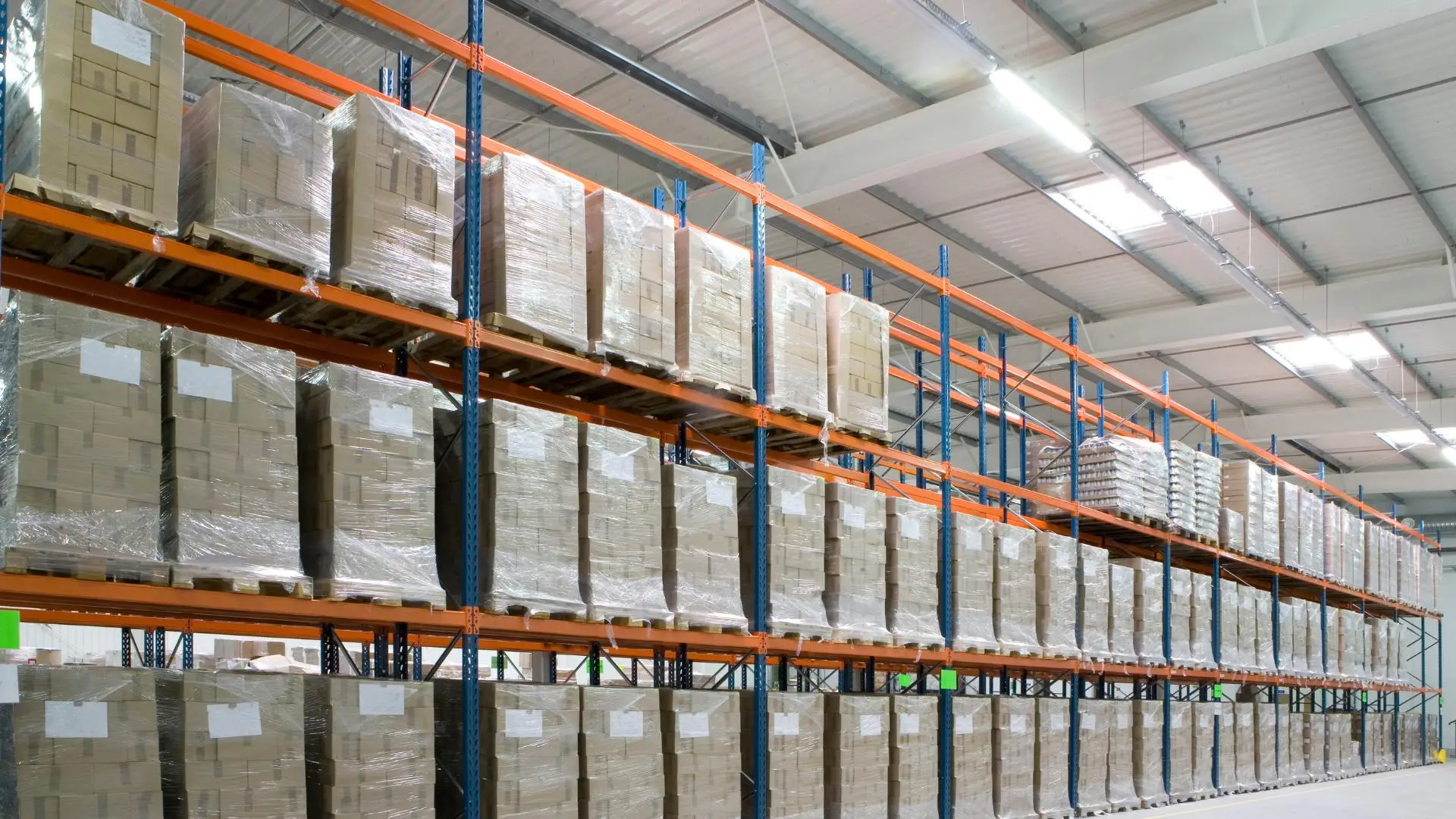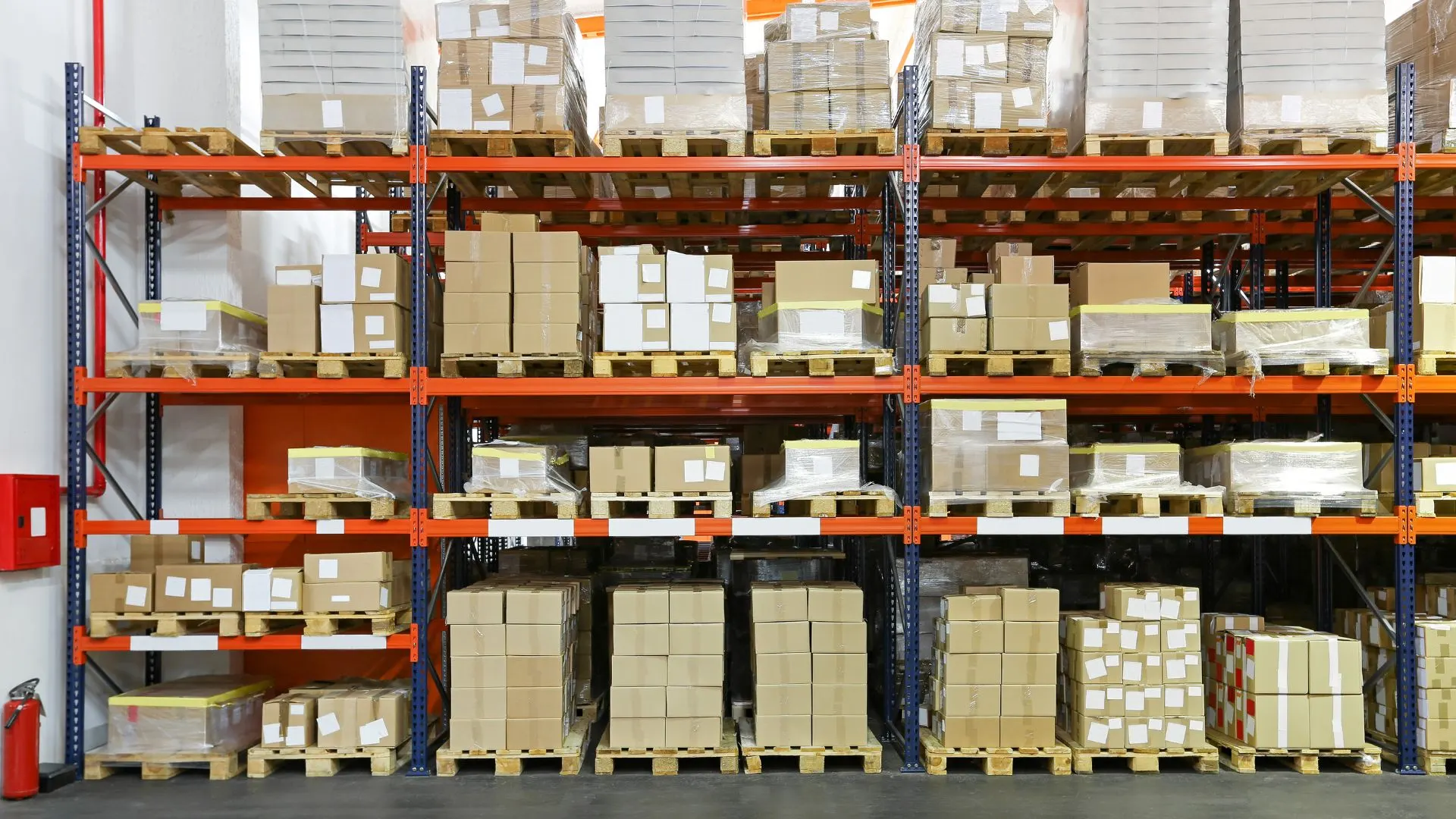
A pallet racking system is the backbone of modern warehouses. These engineered industrial storage systems support palletised goods, improve space utilisation, and integrate with material handling systems such as forklifts and conveyors. Understanding their structure, load limits, and compliance requirements helps Australian warehouses maintain safety, efficiency, and operational scalability.
What Is a Pallet Racking System?
A pallet racking system is an engineered storage framework designed to hold palletised goods in warehouses, factories, and distribution centres. These structures enable pallet storage vertically, increasing warehouse capacity while maintaining accessibility.
The system typically includes:
- Upright frames
- Upright columns
- Horizontal beams
- Load beams
- Step beams
- Safety accessories and structural bracing
Together, these components form modular industrial storage systems capable of storing large volumes of inventory while maintaining structural integrity.
According to WorkSafe Victoria, pallet racking must be installed securely, anchored to the floor, and regularly inspected to ensure the structure remains stable under heavy loads.
Because pallet racks carry substantial weight, their load-bearing capacity must be calculated by engineers using structural design principles. Professional rack designers typically consider steel thickness, beam span, and rack height when determining safe load ratings. These systems form the foundation of organised warehousing and play a central role in modern logistics operations.
The Role of Material Handling Systems in Warehousing
Material handling systems are the equipment and processes used to move, store, and control goods within warehouses. These systems work closely with pallet racking systems to enable efficient inventory movement.
Typical equipment includes:
- Forklifts
- Conveyor systems
- Automated guided vehicles
- Warehouse management software
When combined with structured industrial storage systems, these technologies enable faster picking, safer storage, and improved inventory tracking.
In modern distribution centres, the combination of pallet racking systems and advanced material handling systems forms the backbone of efficient supply chain operations.
Core Components of a Pallet Racking System
Upright Frames and Upright Columns
Upright frames are the vertical supports of a pallet racking system. Each frame consists of steel upright columns connected with bracing to form a stable structure. These columns support pallet loads and transfer the load to the warehouse floor via base plates.
The strength, height, and steel thickness of upright columns influence the overall load-bearing capacity of the rack. During installation, frames are anchored securely to the floor to maintain structural stability and meet Australian warehouse safety standards.
Horizontal Beams
Horizontal beams connect the upright frames and create the storage levels for pallets. These beams lock into the upright columns, forming stable load-bearing tiers.
Beam spacing depends on pallet size and storage needs. Proper installation ensures the rack operates within its rated load-bearing capacity, helping warehouses store goods safely and efficiently.
Load Beams and Step Beams
Load beams support palletised goods across the rack levels. They are engineered to handle heavy loads while maintaining structural stability.
A common variation is the step beam, which includes a ledge for decking, such as wire mesh panels or boards. Step beams are widely used in selective pallet racking systems to support pallets, cartons, and irregular loads safely.
Base Plates, Bracing, and Safety Accessories
Additional components improve rack stability and safety.
These include:
- Base plates securing upright columns to the floor
- Cross bracing strengthening upright frames
- Row spacers stabilising rack rows
- Pallet supports and safety locks prevent beam movement
Regular inspections help maintain the structural safety of the pallet racking system.
Understanding Load-Bearing Capacity in Pallet Racking
The load-bearing capacity of a pallet racking system refers to the maximum weight the structure can safely support. The pallet racking weight capacity depends on the beams, upright frames, and overall rack design. Exceeding limits can compromise safety and structural stability. This capacity depends on several engineering factors.
What Determines Pallet Rack Load Capacity
Key design variables include:
- Beam strength
- Frame height
- Steel gauge thickness
- Structural design of upright frames and horizontal beams
According to Standards Australia, these elements must comply with AS 4084 Steel Storage Racking, which defines structural requirements for warehouse racking systems.
Beam Capacity vs Upright Capacity
Each rack component has its own load rating.
- Beam capacity refers to the weight supported at a single storage level.
- Upright capacity refers to the total vertical load supported by the rack frame.
Engineers calculate these limits to ensure structural stability under full load.
Static vs Dynamic Load
Warehouse racks must withstand different types of forces:
- Static loads from stored pallets
- Dynamic loads caused by forklift movement or pallet placement
Dynamic forces can place additional stress on rack components.
Importance of Load Ratings and Inspections
According to Safe Work Australia, warehouses should clearly display load signage and conduct regular inspections to maintain safe storage structures and prevent rack failure.
Types of Pallet Racking Systems Used in Warehouses
Choose the right pallet racking types to maximise storage efficiency and accessibility in your warehouse. Each type offers unique benefits for different inventory needs, from high-density storage to fast-moving products. Proper selection improves workflow, reduces handling time, and ensures safe, organised pallet storage.
Selective Pallet Racking
Selective pallet racking is the most common pallet racking system. Pallets sit on load beams supported by upright frames, allowing direct access to each pallet. It works well for warehouses storing different products and using standard forklifts.
Double-Deep Racking
Double-deep racking stores pallets two rows deep, increasing storage density. Forklifts must reach past the front pallet to access the second pallet. This system improves space usage but slightly reduces accessibility.
Drive-In Racking
Drive-in racking allows forklifts to enter rack lanes and place pallets on side rails. It is designed for high-density storage and is often used for bulk inventory with fewer product types.
Push-Back Racking
Push-back racking stores pallets on inclined carts or rails. When a new pallet is loaded, it pushes the previous pallet backward. This system increases storage density while keeping access from one aisle.
Pallet Flow Racking
Pallet flow racking uses gravity rollers to move pallets from the loading side to the picking side. This system supports first-in, first-out (FIFO) inventory management.
Cantilever Racking
Cantilever racking is designed for long or bulky materials such as timber, pipes, or steel bars. It uses horizontal arms instead of traditional horizontal beams.
Mobile Pallet Racking
Mobile pallet racking systems move on floor-mounted tracks. The racks slide to open aisles only when needed, increasing warehouse storage density.
Narrow Aisle Racking
Narrow Aisle racking reduces aisle width to maximise storage capacity. Specialised forklifts operate within narrow aisles to access pallets stored on high racks.
How Pallet Racking Supports Warehouse Efficiency
Maximizing Vertical Storage Space
Modern industrial storage systems allow warehouses to use vertical space efficiently. Instead of storing goods on the floor, pallets are stacked on multi-level pallet racking systems, significantly increasing storage capacity.
Improving Inventory Organization
Structured rack layouts help warehouse teams organise inventory logically, reducing search time and improving picking accuracy. Clearly labelled pallet locations also support better stock control. Pairing your racking with a well-planned warehouse shelving system can further improve organisation across different storage zones.
Integration with Warehouse Automation
Modern racking systems integrate with:
- Warehouse management systems (WMS)
- Automated picking technology
- Conveyor and robotic material handling systems
Enhanced Workplace Safety
Properly designed racks improve workplace safety by storing heavy pallets securely and reducing floor congestion. Australian workplace safety guidance emphasises that organised storage systems reduce hazards such as falling loads and forklift collisions.
Safety Standards for Pallet Racking in Australia
Australian warehouses must comply with strict safety standards governing storage racks. The primary regulation is AS 4084 Steel Storage Racking, published by Standards Australia, which outlines structural design, installation, and inspection requirements.
According to SafeWork NSW, pallet racking systems should be inspected regularly to identify structural damage. Ensure proper pallet racking safety by following load limits, regular inspections, and protective measures.
Common Causes of Rack Failure
Typical causes include:
- Forklift impacts
- Overloading racks beyond rated limits
- Improper installation
Regular inspections and proper training help reduce these risks and ensure safe warehouse operations.
Best Practices for Pallet Racking Installation and Maintenance
Proper installation and maintenance are essential for safe warehouse storage.
Professional Installation
Qualified installers should position upright frames, install horizontal beams, and anchor racks securely to the warehouse floor.
Routine Safety Inspections
Regular inspections help detect damage such as bent beams or compromised upright columns.
Load Management and Labeling
Clear load labels should display the safe load-bearing capacity for each rack level.
Staff Training
Forklift operators should receive training to avoid rack impacts and ensure pallets are placed correctly on step beams or decking.
Common Mistakes to Avoid When Installing Warehouse Racking
Ignoring Load Capacity Limits
Overloading racks beyond their rated load-bearing capacity can lead to structural failure.
Poor Warehouse Layout Planning
Improper rack spacing can limit forklift access and reduce operational efficiency.
Skipping Safety Inspections
Failure to inspect racks regularly increases the risk of undetected damage.
Using Incorrect Material Handling Systems
Equipment that is incompatible with the rack design can cause structural impacts and improper pallet placement.
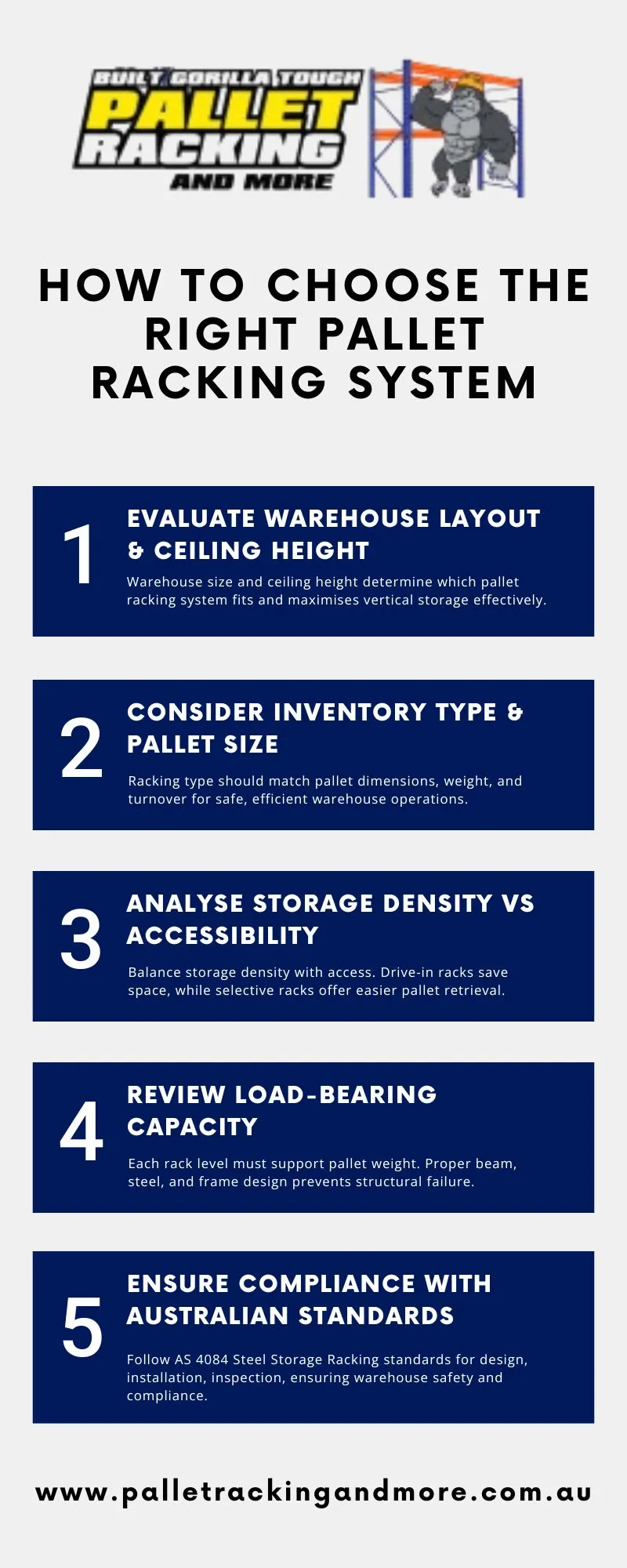
How to Choose the Right Pallet Racking System
Conclusion
Understanding the design of a pallet racking system is essential for warehouse operators planning safe and efficient storage infrastructure. Structural components such as upright frames, horizontal beams, load beams, and step beams support pallet loads and determine the system’s load-bearing capacity.
Australian safety standards, such as AS 4084 Steel Storage Racking, guide proper installation, inspection, and maintenance. For new installations or upgrades, warehouse operators should consult qualified rack engineers or storage system specialists to ensure compliance with Australian safety regulations and long-term operational efficiency.
Upgrade your warehouse efficiency with expertly designed pallet racking systems. Visit Pallet Racking and More to explore solutions, get quotes, and optimise your storage today.
FAQs
What is the load capacity of a pallet racking system?
It depends on the strength of the beams, the height and design of the frames, and the weight of the pallets. Proper calculation ensures safe storage without overloading.
Which pallet racking system is best for high-density storage?
High-density systems such as drive-in racking or double-deep racking are commonly used when warehouses need to store large quantities of similar products.
How often should pallet racking systems be inspected?
Workplace safety guidance from Safe Work Australia recommends regular inspections and immediate repair of damaged racks to maintain safe warehouse operations.
What safety measures should be used with pallet racking?
Common safety features include rack protectors, column guards, safety pins, load signage, and regular inspections to prevent structural damage and overloading.