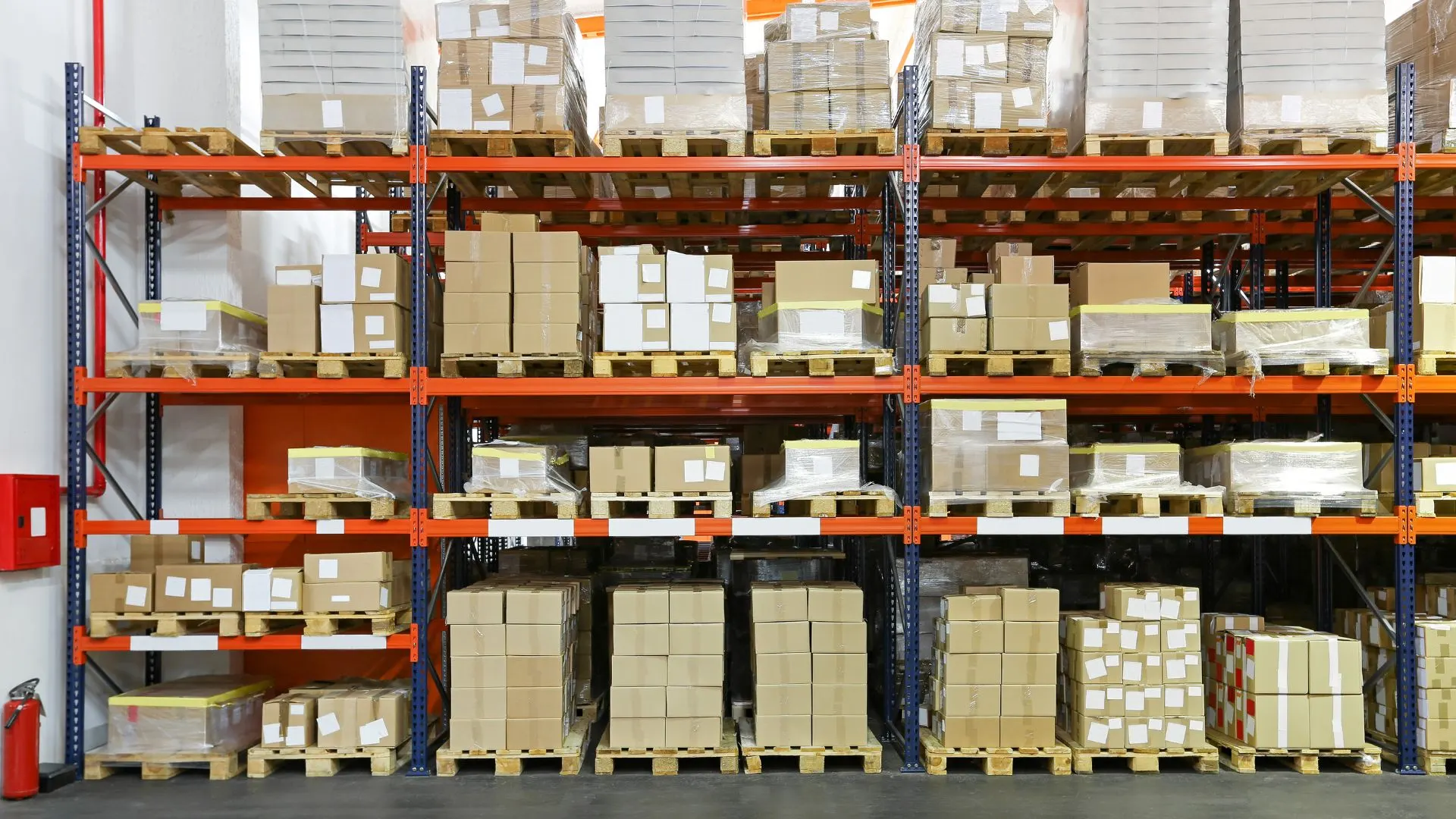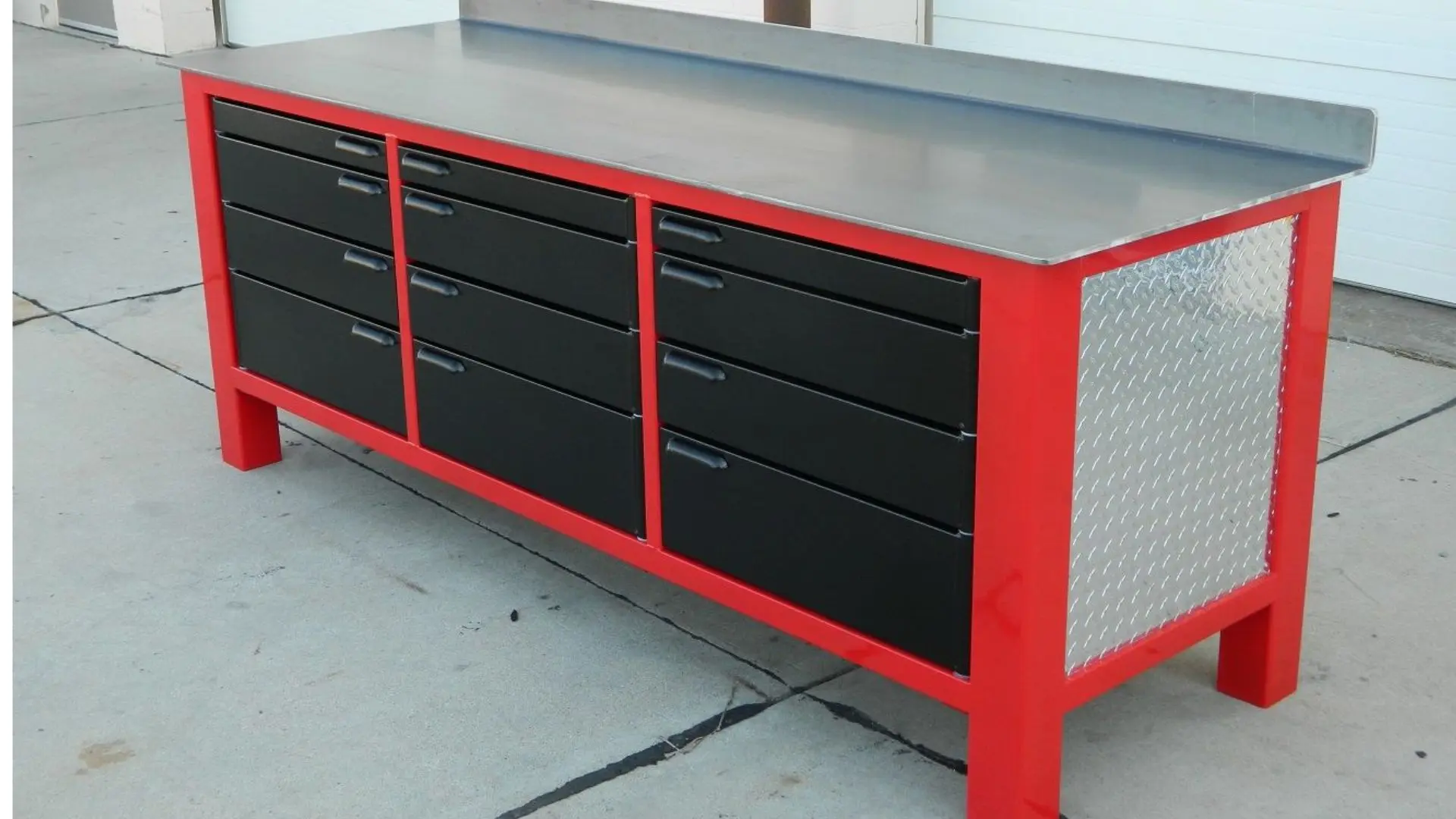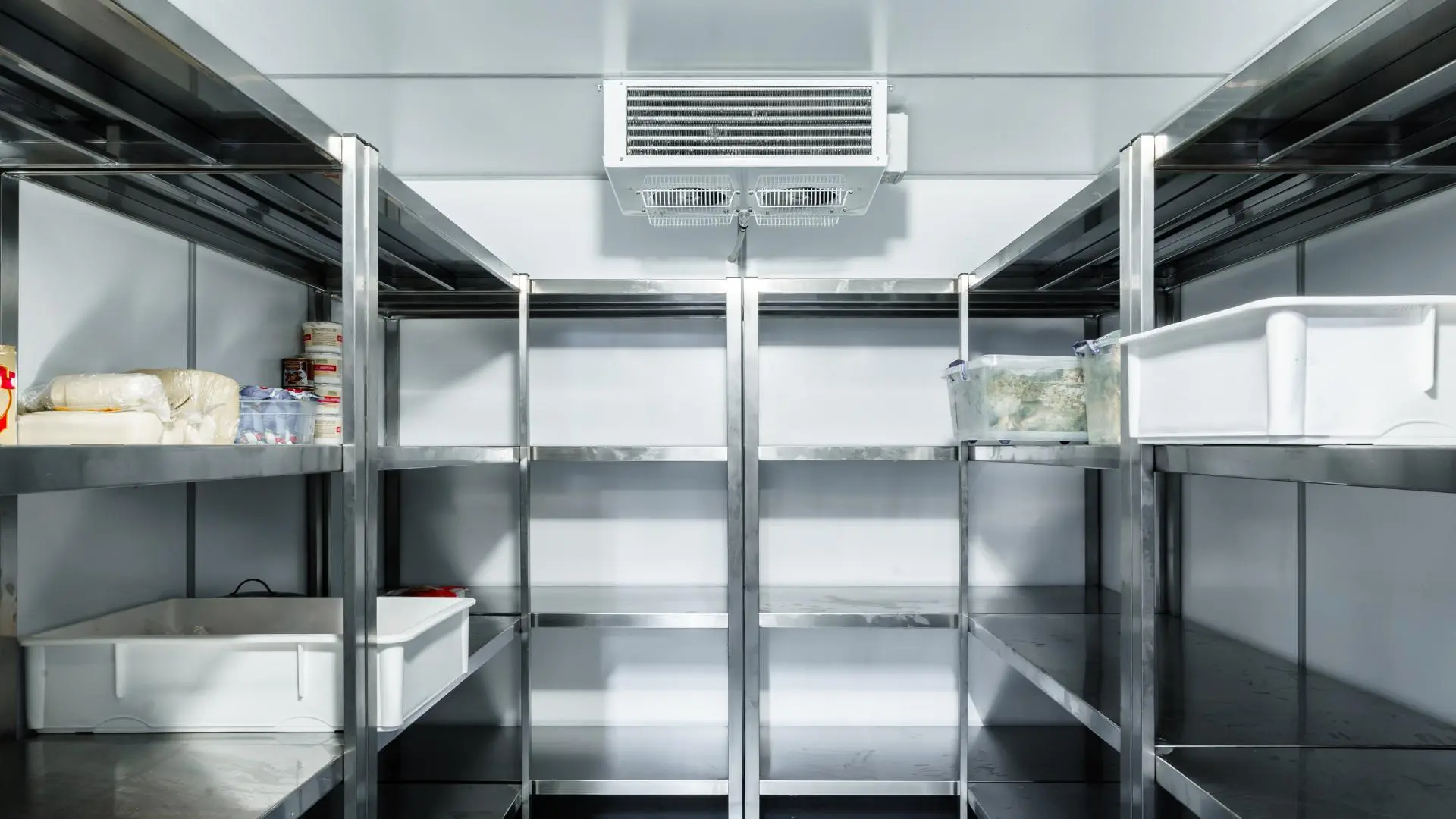
Warehouse shelving looks simple, but it shapes how a warehouse works day to day. The right shelving system can feel like adding extra floor space without expanding the building. The wrong one slows picking, creates safety risks, and costs more over time. This article is written from a research perspective. It brings together Australian standards, government guidance, and industry advice to help warehouse managers and business owners make informed choices. If you manage stock, people, and deadlines, understanding warehouse shelving is one of the most practical steps you can take to improve operations.
What Is Warehouse Shelving?
Warehouse shelving refers to storage shelving systems designed to hold goods that are usually picked by hand rather than by forklifts. These shelving units are commonly used for cartons, parts, tools, archive boxes, and mixed inventory. Unlike pallet racking, shelving systems focus on accessibility and organisation rather than bulk pallet loads.
According to Australian safety guidance, shelving must be fit for purpose, load-rated, and maintained properly to reduce risk to workers and stock.
Typical shelving systems include:
- Longspan shelving for cartons, totes and mid‑weight items.
- Steel shelving systems for durable, modular storage.
- Wire shelving where visibility and airflow matter.
- Heavy duty shelving and storage shelving for industrial use.
These systems form the backbone of organised warehouse layouts and are an essential part of any comprehensive storage strategy.
Why Warehouse Shelving Matters for Modern Warehouses
Modern warehouses deal with more stock variety, faster turnaround times, and tighter margins. Warehouse shelving plays a quiet but critical role in meeting those demands. When shelving systems are well planned, workers spend less time searching, lifting awkwardly, or working around congestion.
Safe Work Australia highlights that poor storage design is a common contributor to manual handling injuries. Well-designed storage racks and shelving units reduce bending, overreaching, and unstable stacking.
Shelving also supports better inventory control. Clear labelling, consistent shelf heights, and logical layout make it easier to count, rotate, and replenish stock. For businesses operating under compliance pressures, shelving systems help meet safety duties under Australian work health and safety laws.
Benefits of Warehouse Shelving Systems
Improved Space Utilisation
Heavy duty warehouse shelving makes use of vertical space that often goes unused. By stacking upwards safely, warehouses can increase storage capacity without leasing more space.
Better Stock Organisation and Access
Shelving systems allow goods to be grouped by size, SKU, or picking frequency. This reduces errors and speeds up order fulfilment.
Enhanced Workplace Safety
Stable steel shelving with known load limits reduces the risk of collapse or falling items. Australian regulators stress that secure storage is a key part of injury prevention.
Increased Operational Efficiency
Clear access to shelving units shortens travel time for pickers. Over a full shift, those small time savings add up.
Compliance With Australian Safety Standards
Industrial shelving storage supports compliance with Australian Standards and work health and safety guidance, especially when paired with regular inspections and staff training.
How to Choose the Right Shelving System
Assess Storage Needs and Load Capacity
Start by listing what you store now and what you expect to store in the next few years. Industry guidelines from SafeWork NSW show that shelving must be rated for the heaviest likely load, not just average use.
Consider Warehouse Layout and Floor Space
Measure ceiling height, column spacing, and fire exits. Storage shelving should not block access or emergency paths.
Match Shelving to Inventory Type
Small parts suit wire shelving or boltless systems. Bulky cartons need long span shelving. Heavy items require heavy duty shelving with certified load ratings.
Factor in Safety and Compliance Requirements
Australian guidance recommends anchoring shelving where required and displaying load signage clearly. If unsure, consult professional installers or safety advisors.
Plan for Future Expansion
Choose shelving solutions that can be extended or reconfigured. Fixed systems may cost less upfront, but limit growth.
Warehouse Shelving vs Warehouse Racking
When deciding between warehouse shelving and pallet racking, it helps to understand their core differences. Each system has its strengths depending on the type of inventory, handling method, and warehouse layout. The table below summarises the main distinctions.
| Feature | Warehouse Shelving | Warehouse Racking |
| Best for | Hand‑picked goods, cartons, parts | Palletised inventory and heavy loads |
| Access | Manual picking | Forklift access |
| Vertical capacity | Moderate | High |
| Compliance focus | General shelving standards | AS 4084:2023 steel racking standards |
| Flexibility | High | Medium |
| Load capacity | Moderate to high | Very high |
As you can see, shelving is more flexible and suited for hand-picked or mixed inventory, while pallet racking is designed for heavy, palletised goods handled by forklifts. Choosing the right shelving and racking system depends on your stock type, workflow, and long-term storage plans.
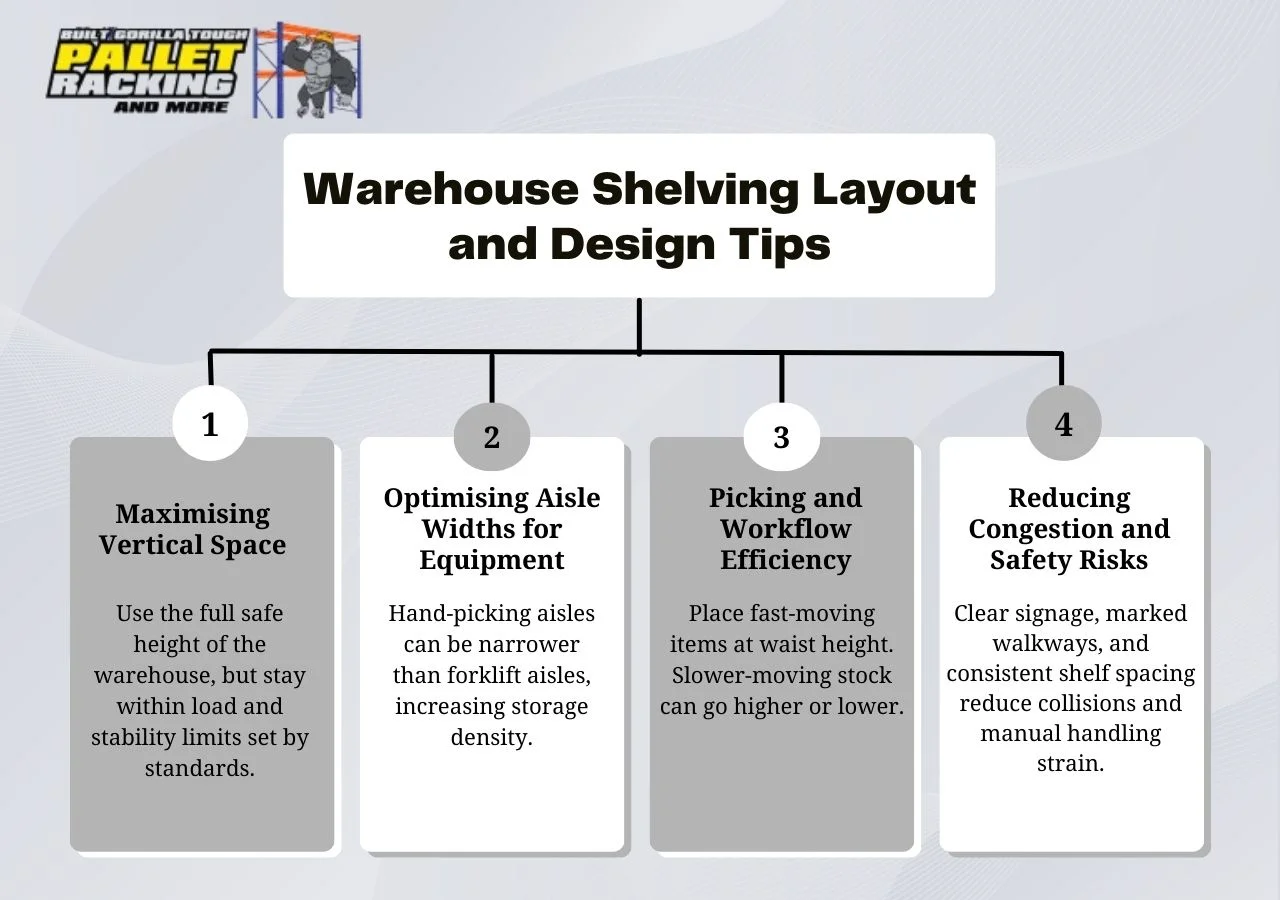
Warehouse Shelving Layout and Design Tips
Tips for Warehouse Shelving Installation
Professional vs DIY Installation
While boltless shelving can be installed in-house, larger industrial shelving systems often benefit from professional installation to ensure compliance.
Anchoring and Stability Requirements
Guidance from WorkSafe Victoria notes that tall or heavily loaded shelving should be anchored to prevent tipping.
Load Rating and Signage
Each shelving bay should display its maximum load rating clearly.
Post-Installation Safety Checks
Conduct inspections before use and after any layout changes.
Safety and Compliance Considerations in Australia
Australian Standards for Warehouse Shelving
Standards Australia provides guidance on steel storage systems, including load ratings and design principles.
Load Limits and Weight Distribution
Uneven loading increases collapse risk. Heavy items should sit on lower shelves.
Regular Inspections and Maintenance
Safe Work Australia recommends routine checks for damage, corrosion, or loose components.
Employee Training and Safe Use
Workers should be trained not to overload shelves or climb shelving units.
Warehouse Shelving Maintenance and Upgrades
- Routine Inspection Checklist
- Bent uprights
- Loose beams
- Missing safety pins
- Corrosion or rust
Common Wear and Damage Issues
Forklift contact, overloading, and moisture are common causes of damage.
When to Repair or Replace Shelving
If structural components are damaged, replacement is often safer than repair.
Upgrading for Growing Storage Needs
Modular shelving systems allow upgrades without full replacement.
Cost Factors and Budgeting for Shelving
Material and System Costs
Steel shelving costs more than light-duty options but lasts longer.
Installation and Labour Costs
Professional installation adds cost but reduces risk and downtime.
Long-Term Value vs Cheap Solutions
Research from Australian industry publications shows that low-cost shelving often leads to higher maintenance and safety costs over time.
Return on Investment for Businesses
Better storage improves picking speed, reduces injuries, and lowers errors, all of which contribute to ROI.
Conclusion
Warehouse shelving is a foundation, not an afterthought. When shelving systems are chosen with care, they support safety, speed, and growth. For Australian warehouses, the smartest approach combines compliant design, realistic load planning, and flexibility for the future. For businesses looking for complete storage solutions, including pallet racking and shelving, Pallet Racking and More provides expert guidance to design layouts that comply with Australian standards. If you are unsure, seeking advice early can prevent costly changes later.
If you are planning a new warehouse layout or upgrading your current setup, contact us today to speak with a storage specialist who can help you stay compliant and choose shelving that grows with your business.
FAQs
What is the best warehouse shelving system for heavy loads?
Safe Work Australia recommends using heavy duty warehouse shelving made from steel with certified load ratings. Warehouses commonly use long span shelving for heavy hand-loaded items, while pallet racking handles palletised loads.
How high can warehouse shelving legally be in Australia?
There is no single legal height limit. Height depends on load rating, stability, and building design. SafeWork authorities advise that shelving must remain stable and accessible, with higher systems often requiring anchoring and engineering advice.
How often should warehouse shelving be inspected?
Safe Work Australia recommends regular inspections, with formal checks at least annually and after any impact or reconfiguration..
How do I ensure shelving meets safety standards?
Choose certified systems, follow manufacturer instructions, anchor where required, display load signage, and conduct regular inspections in line with Australian guidance.