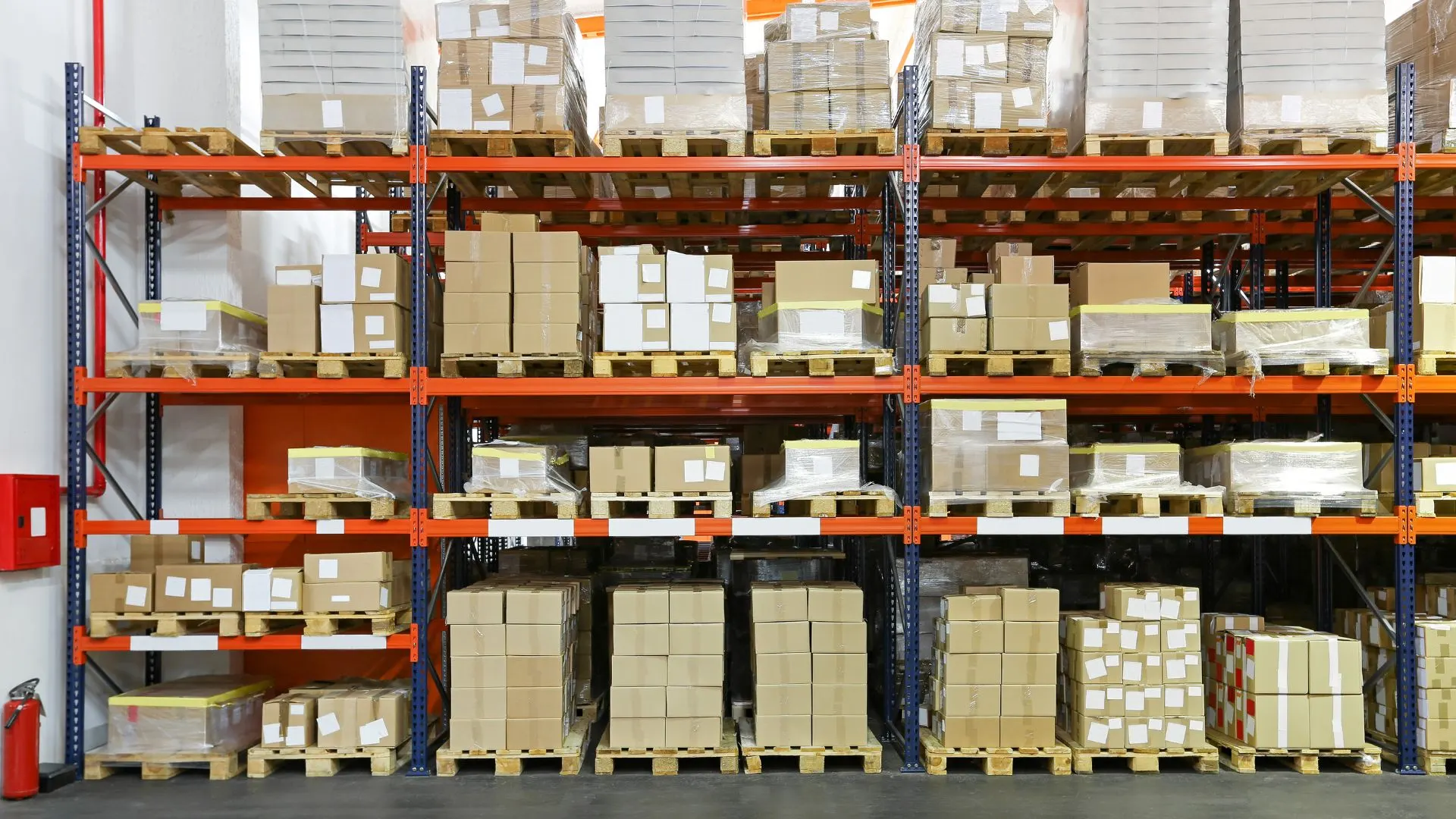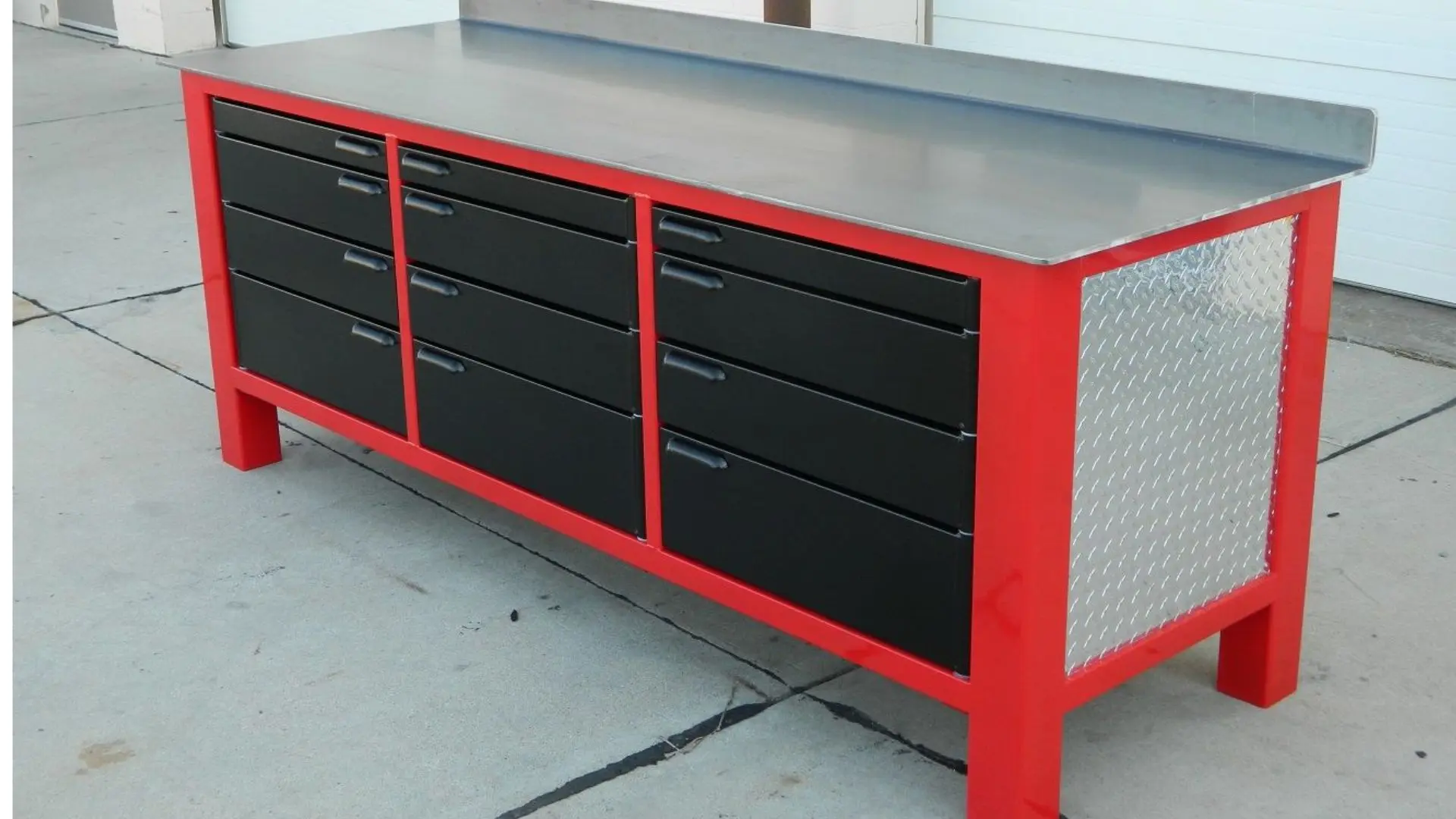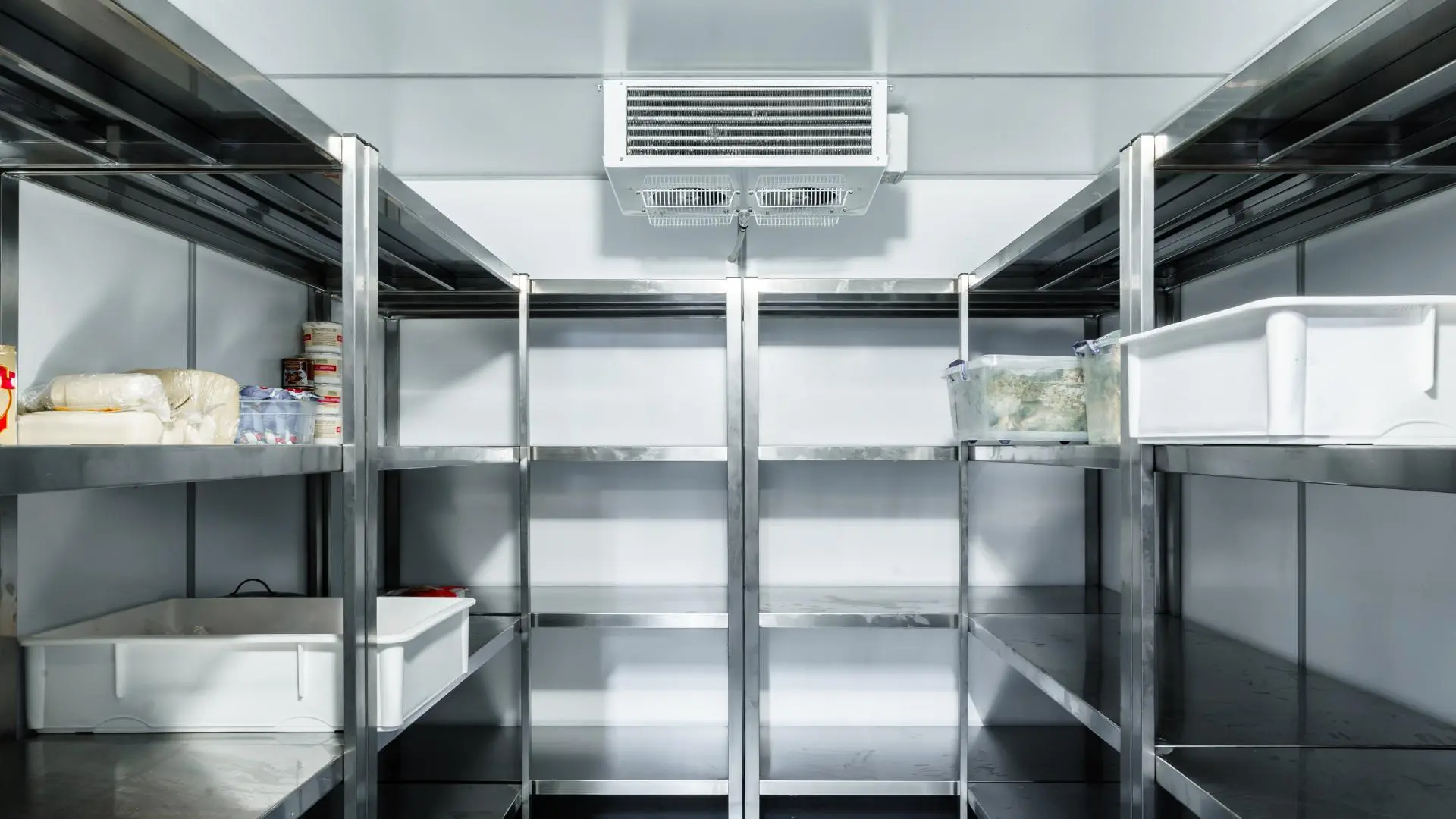
Every warehouse needs organised space that works hard. When boxes, parts and stock are stacked without a plan, productivity drops and errors climb. Longspan shelving offers a flexible, strong and cost‑effective way to store goods without the complexity of full racking systems. It bridges the gap between simple shelving and heavy industrial racking, giving warehouse managers room to grow.
This article is based on extensive research, including Australian government safety guidelines, industry standards, and professional publications. In this guide, we break down what longspan shelving is, how it works, the benefits it brings to your warehouse, how it compares to other options, and most importantly, how to choose and install it safely so your business gets real value from every square metre.
What Is Longspan Shelving
Longspan shelving is a type of industrial shelving designed to store medium to heavy loads that are too big for standard shelving but do not require forklifts. It uses wide shelf spans, strong steel frames, and adjustable levels to create flexible storage bays.
At its core, a longspan shelving system consists of upright frames, horizontal beams, and shelf panels. These shelves can span long distances without sagging, which is where the name comes from. This makes them ideal for storing cartons, archive boxes, tools, automotive parts, and bulk inventory.
Unlike pallet racking, longspan shelves are accessed manually. Staff can pick items directly from shelves without machinery. This improves speed and reduces handling risks for smaller warehouses. In Australian warehouses, industrial longspan shelving is popular because it balances strength, accessibility, and cost. Items can be picked by hand, which speeds up daily operations.
How Longspan Shelving Works
Longspan shelving works on a simple but solid principle: spread weight evenly across strong beams and adjustable shelves. Each bay acts like a table supported at the corners, with beams carrying the load across the span.
Key Components Explained
The main parts include:
- Upright frames that provide vertical support
- Beams that lock into the uprights
- Shelf panels made from steel or board
- Optional bracing for extra stability
These components slot together without complex tools, which keeps installation straightforward.
Load Capacity and Weight Distribution
Load capacity depends on beam length, shelf material, and how weight is distributed. Evenly spread loads are key. Placing all the weight in the centre is like sitting in the middle of a flimsy chair. Spread it out, and the structure stays strong. Safe Work Australia highlights the importance of load rating visibility to prevent overloading and collapse.
Modular Design and Adjustability
Most long-span shelving units are modular shelving systems. Shelf heights can be adjusted as stock sizes change, which helps warehouses stay flexible without replacing the whole system.
Benefits of Longspan Shelving
- Easy access and faster picking: Items stored on longspan shelving are easy to see and reach, which reduces picking time and handling strain. WorkSafe NSW notes that clear access to stored goods improves manual handling safety in warehouses.
- Flexible and adjustable layout: Shelf levels can be adjusted as inventory sizes change. This makes longspan shelving especially useful for small and growing warehouses where space must work harder.
- Strong load capacity without high cost: Heavy duty longspan shelving supports substantial weight without the expense of full pallet racking, making it ideal for bulk storage of cartons and boxes.
- Better use of warehouse space: Wide bays reduce the number of uprights, creating more usable storage area. This approach is common across modern shelving systems used in Australian commercial environments.
- Scalable for future growth: Systems can start small and expand over time, supporting warehouse storage solutions that adapt as business needs change.
Common Uses of Longspan Shelving in Warehouses
- Cartons and boxed goods storage: Longspan shelving is ideal for storing cartons and boxes that need to be picked by hand. Wide shelves provide clear visibility and quick access in picking and packing areas.
- Spare parts and maintenance items: Workshops and distribution centres use industrial longspan shelving to organise tools, components, and consumables, keeping frequently used items easy to locate.
- Bulky and irregular items: Longspan garage shelving works well for awkward or bulky stock that does not fit neatly on pallets but still needs to be stored safely off the floor.
- Retail back-of-house storage: Fast-moving items that do not justify pallet racking are commonly stored on longspan shelving systems, improving efficiency in restocking and order fulfilment.
- Safer manual handling zones: Organised shelving helps reduce trip hazards and improve workflow. Standards Australia notes that structured storage systems improve safety and efficiency in industrial environments.
- Reduced forklift reliance: Because longspan shelving supports hand-loaded goods, it limits forklift use in certain areas. This aligns with Safe Work Australia guidance on separating pedestrian and vehicle zones to improve warehouse safety.
Types of Longspan Shelving Systems
Longspan shelving comes in several variations, each suited to different storage needs.
Steel Longspan Shelving
Steel longspan shelving is the most durable option. It uses steel shelf panels and beams designed for heavy-duty shelving loads. This option is ideal for industrial environments where moisture, dust, or impact is common. Galvanised longspan shelving also offers corrosion resistance, making it suitable for coastal or humid areas.
Particle Board vs Steel Shelves
Particle board shelves are cost-effective and commonly used for lighter warehouse storage shelving. They provide a flat surface for cartons and boxes. However, steel shelves last longer and handle higher loads with less maintenance.
Light-Duty vs Heavy-Duty Longspan Shelving
Light-duty longspan shelving suits small warehouses, garages, and backrooms. It supports moderate loads and is easy to reconfigure.
Heavy duty longspan shelving is built for industrial use. Thicker beams, reinforced uprights, and higher load ratings make it suitable for bulk storage shelving and industrial shelving types.
Choosing the right type ensures your longspan shelving system matches both current and future storage demands.
Longspan Shelving vs Other Storage Systems
| Feature | Longspan Shelving | Pallet Racking | Boltless Shelving |
| Use | Manual picking of boxes | Forklift access for pallets | Light office/retail storage |
| Load Capacity | Medium to high | Very high | Low to moderate |
| Flexibility | Adjustable shelves & bays | Limited | Adjustable but light loads only |
| Space | Narrow aisles, small warehouses | Wide aisles needed | Compact indoor spaces |
| Installation | Quick, boltless | Complex, compliance-heavy | Simple |
Longspan shelving is ideal for manual handling, mixed inventory, and flexible warehouse layouts.
How to Choose the Right Longspan Shelving
Choosing the right system starts with planning.
Assessing Storage Needs and Load Requirements
List what you store now and what you expect to store later. Consider the weight per shelf and the total bay load. Longspan shelving load capacity must exceed your heaviest items with a safety margin.
Measuring Available Warehouse Space
Measure ceiling height, aisle width, and floor condition. According to WorkSafe Victoria, floor load capacity should always be verified before installing industrial shelving.
Choosing Shelf Depth, Height, and Bay Width
Deeper shelves suit bulky items. Narrower bays improve access. Taller bays maximise vertical storage but must remain within safe reach zones. Shelving Accessories such as dividers and end frames, also influence layout.
Budget and Long-Term Scalability
Second-hand longspan shelving can reduce upfront costs, but inspect it carefully. Used longspan shelving should meet current safety standards. Modular shelving systems allow you to add bays as your warehouse grows. Investing slightly more upfront often saves money later by avoiding full replacements.
How to Install Longspan Shelving
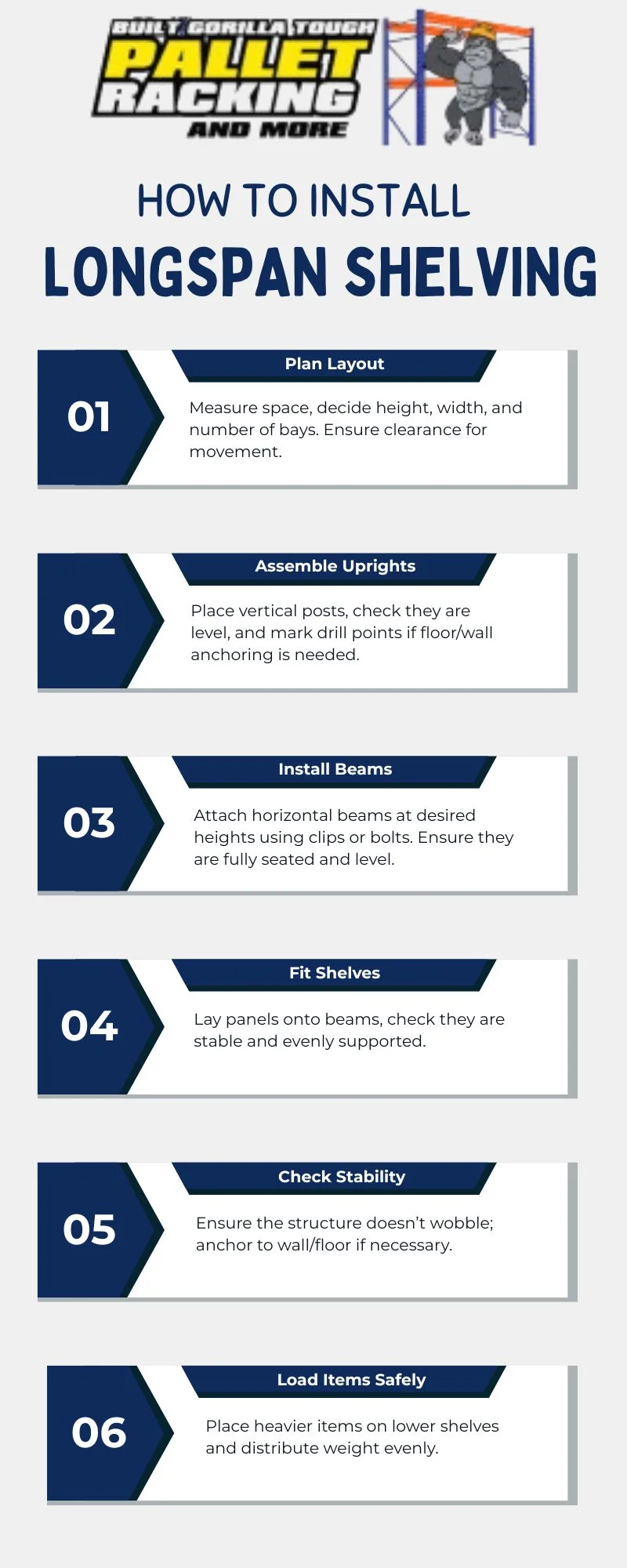
Safety Tips and Best Practices
Keeping your shelving safe protects people and goods.
Weight Limits and Load Management
Always follow posted load limits. Overloading shelves can cause beams to bend or uprights to buckle. Uniformly distribute weight across each level, and avoid concentrating heavy items at one point.
Regular Inspections and Maintenance
- Do monthly checks for:
- Loose connections.
- Damaged decking or bent beams.
- Upright shifts.
Address issues promptly to prevent accidents.
Warehouse Safety Compliance
Comply with relevant warehouse safety standards. In Australia, Safe Work Australia provides guidance on manual handling and storage safety. These guidelines help reduce sprains, falls, and equipment damage.
Maintenance and Lifespan of Longspan Shelving
Maintenance keeps your longspan shelving working longer. Steel systems resist corrosion, especially when galvanised or powder‑coated, but you should still:
- Clean shelves regularly to remove dust and debris.
- Touch up paint on scratches to slow corrosion.
- Replace damaged decking or bent beams.
- Tighten any loose clips or bolts.
With good care, a quality long-span shelving system can last 10–15 years or more in normal warehouse conditions.
Cost of Longspan Shelving Systems
Costs vary based on materials, load capacity, height, and accessories.
Factors That Affect Pricing
- Material: Steel components cost more than particle board options.
- Load rating: Heavy-duty beams and uprights carry higher price tags.
- Height and depth: Larger units use more materials.
- Accessories: Dividers, labels, and safety lips add cost.
Cost Comparison by Material and Capacity
Light duty longspan shelving costs less per bay than heavy-duty steel systems. Used longspan shelving can lower upfront expense, but inspect the condition carefully before buying second-hand longspan shelving units.
Conclusion
Longspan shelving is a practical, flexible, and cost-effective storage solution for Australian warehouses. It bridges the gap between light shelving and pallet racking, offering strength, accessibility, and scalability. When chosen and installed correctly, it supports safer workflows and better use of space. For businesses looking to improve organisation and efficiency, longspan shelving remains one of the best shelving for warehouses.
If you are planning to upgrade or redesign your warehouse storage, explore tailored solutions at Pallet Racking and More. Our range of shelving and racking systems is designed to support safe, scalable, and compliant warehouse operations across Australia.
FAQs
What weight can longspan shelving hold?
Longspan shelving load capacity varies widely by design and components. Most systems support a few hundred kilograms per shelf, with heavy-duty options exceeding 1,000 kg per level when installed properly.
Is longspan shelving suitable for heavy items?
Yes. Heavy duty longspan shelving is built for heavier inventory, but correct installation, floor preparation, and load distribution are essential for safety.
Is longspan shelving better than pallet racking?
It depends on your needs. Longspan shelving is better for non‑palletised goods and hand picking, while pallet racking is designed for forklift‑accessed pallets.